Why this matters:
Your resume isn’t just a document — it’s your first impression. In just 6–8 seconds, a recruiter decides whether to read more or toss it aside. You might be making resume mistakes without realizing it. Let’s fix that.
1. Using the Same Resume for Every Job
Why it’s a mistake:
Every job is different. If you’re sending out one generic resume to all companies, you’re not showing how you fit that exact role.
How to fix it:
Customize your resume for each job.
Use keywords from the job description.
Highlight experience that matches the role.
Example: If applying for a content writer job, emphasize your blog writing, SEO skills, or content calendar management — not just general writing.
2. Making It Too Long or Too Short
Why it’s a mistake:
A resume that’s too long becomes boring. Too short, and you seem inexperienced. A good resume is clear, focused, and to the point.
How to fix it:
For freshers: 1 page
For experienced professionals: 1–2 pages
Remove outdated experiences or irrelevant details
Tip: Every point on your resume should answer the question: “Does this help me get this job?”
3. Listing Responsibilities Instead of Achievements
Why it’s a mistake:
Recruiters know what your job title means. What they don’t know is how well you did it.
How to fix it:
Focus on what you achieved, not just what you were supposed to do.
Use numbers or outcomes when possible.
Instead of: “Handled customer queries”
Write: “Resolved 100+ customer queries weekly with 95% satisfaction rate”
4. Bad Formatting and Design
Why it’s a mistake:
If your resume is hard to read, cluttered, or full of inconsistent fonts and styles, hiring managers won’t take you seriously.
How to fix it:
Use clean, professional formatting
Stick to one or two fonts (e.g., Arial, Calibri)
Use bullet points, not big blocks of text
Make sure spacing and alignment are neat
Tools like Canva, Zety, or Novoresume have clean templates to start with.
5. Leaving Out Keywords
Why it’s a mistake:
Many companies use Applicant Tracking Systems (ATS) to scan resumes. If yours doesn’t include certain keywords, it might never be seen by a human.
How to fix it:
Carefully read the job description
Use the same terms they use (e.g., “social media strategy”, “Python”, “project management”)
Add them naturally in your summary, experience, and skills
6. Using Vague or Buzzword-Heavy Language
Why it’s a mistake:
Words like “hardworking,” “team player,” or “go-getter” sound nice, but they don’t prove anything.
How to fix it:
Be specific.
Show real skills and results instead of empty buzzwords.
Instead of: “Detail-oriented professional with great leadership skills”
Write: “Led a team of 4 interns to complete 3 marketing campaigns 2 weeks ahead of deadline”
7. Missing Contact Details or Broken Links
Why it’s a mistake:
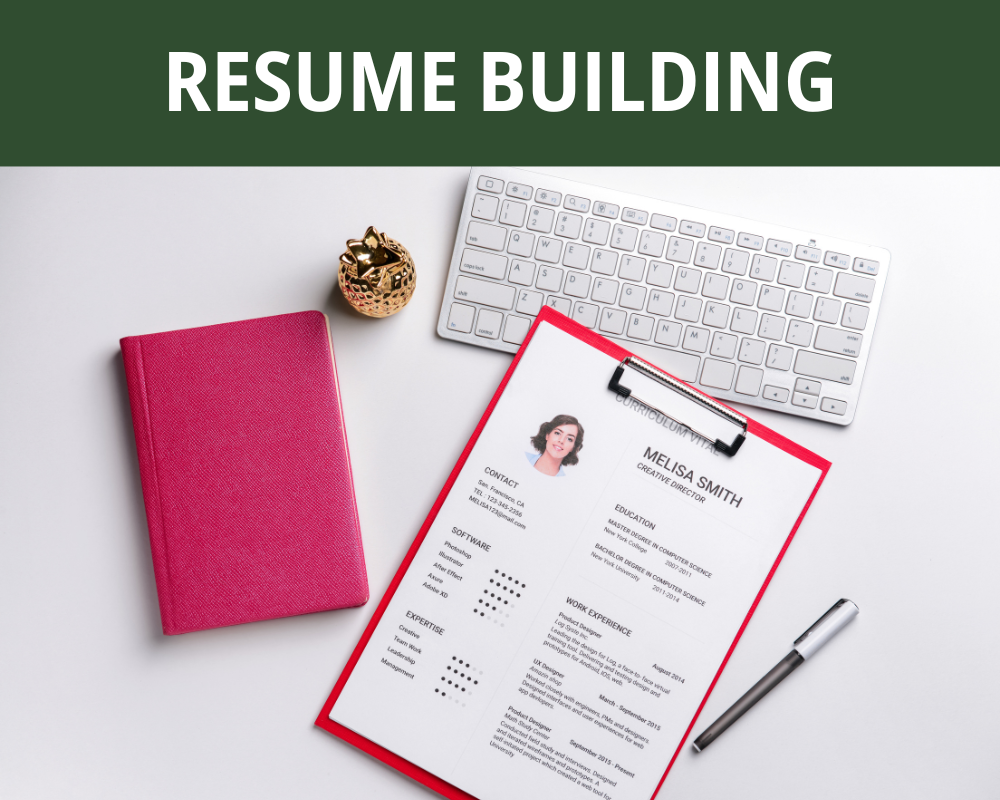
Sometimes people forget to update their email, phone number, or portfolio link. If a recruiter can’t contact you, you lose the opportunity.
How to fix it:
Include your phone, professional email (not cooldude123@gmail.com), and LinkedIn.
If you add links, test them before submitting.
Make sure your voicemail message sounds professional.
8. Bonus Tips:
Avoid spelling/grammar mistakes — always proofread.
Don’t lie — small lies can ruin big careers.
No need for photos (unless required by region/industry).
Save as PDF, not Word, to preserve formatting.
Name your file professionally like:
PrashantM_Resume2025.pdf
How useful was this post?
Click on a star to rate it!
Average rating 0 / 5. Vote count: 0
No votes so far! Be the first to rate this post.