
The Ultimate Guide: Aerospace vs. Aeronautical Engineering (Scope, Jobs, & Best Institutes)
Introduction: The Battle of Flight Disciplines
Choosing a university branch in advanced technology represents a major decision for aspiring engineering candidates worldwide. Among the most popular fields in STEM, aerospace engineering and aeronautical engineering stand out as high-impact disciplines driving global transport, defense manufacturing, and space exploration.
While students frequently treat these two terms as interchangeable synonyms, subtle operational differences distinguish their technical focus, academic syllabi, and industry career paths. Understanding the core distinctions between aerospace engineering and aeronautical engineering helps students make informed choices about degree selection, long-term employment, and specialized research opportunities.
1. Defining the Disciplines: Atmospheric vs. Extraterrestrial Flight
To grasp the main technical differences, students must examine the operational medium where vehicles fly.
Aeronautical Engineering: Focuses on the research, design, testing, manufacturing, and maintenance of flight-capable craft operating strictly within Earth’s atmosphere. This includes commercial airliners, military fighter jets, helicopters, gliders, and unmanned aerial vehicles (drones).
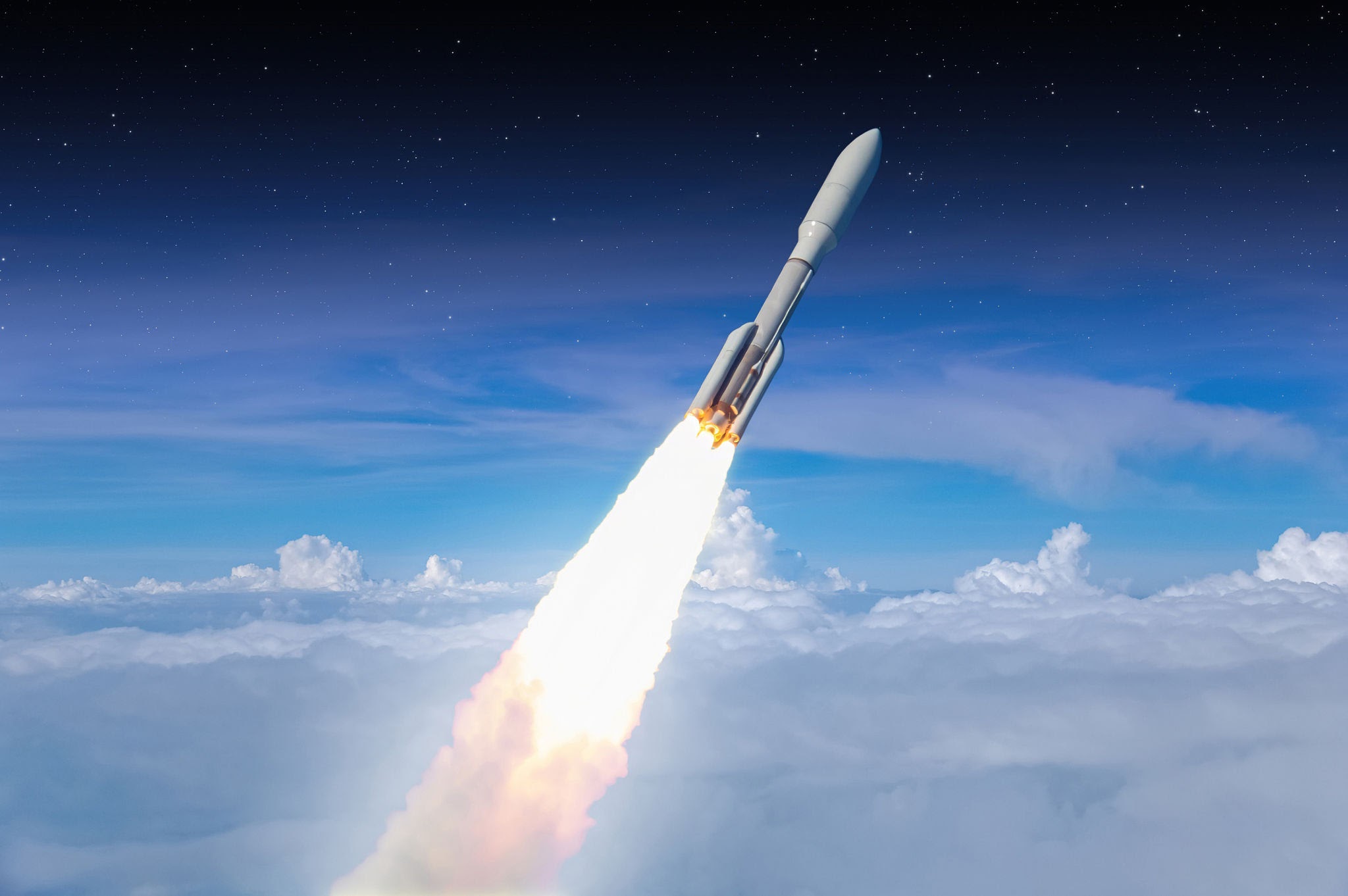
Aerospace Engineering: Functions as an umbrella field encompassing both atmospheric flight (aeronautical) and spaceflight beyond Earth’s atmosphere (astronautical). This includes orbital satellites, launch vehicles, deep-space probes, space stations, and interplanetary rovers.
┌─────────────────────────────────────────────────────────────┐
│                    AEROSPACE ENGINEERING                    │
│                                                             │
│   ┌───────────────────────────┐ ┌─────────────────────────┐ │
│   │ Aeronautical Engineering  │ │Astronautical Engineering│ │
│   │   (Atmospheric Flight)    │ │   (Spaceflight Systems) │ │
│   └───────────────────────────┘ └─────────────────────────┘ │
└─────────────────────────────────────────────────────────────┘
For official industry guidelines and career outlooks in flight sciences, consult policy reports hosted by the U.S. Bureau of Labor Statistics.
2. Core Syllabi and Coursework Comparisons
While both academic fields share fundamental mechanical engineering principles, their specialized upper-level coursework reflects their operational environments.
  Aeronautical Track  ──► Aerodynamics + Jet Propulsion + Avionics
  Aerospace Track     ──► Orbital Mechanics + Rocketry + Space Plasma
During early semester enrollment, aeronautical students take courses in fluid dynamics, wing aerodynamics, gas turbine propulsion, flight mechanics, and aircraft structural integrity. In contrast, aerospace candidates cover those atmospheric topics alongside orbital mechanics, rocket propulsion systems, space attitude control, re-entry thermodynamics, and space radiation shielding.
3. Career Scope and Future Industry Horizons
The global commercial aviation sector and expanding private space ecosystem continue to drive demand for specialized flight engineers.
┌─────────────────────────────────────────────────────────────┐
│                 AEROSPACE INDUSTRY HORIZONS                 │
│  Commercial Aviation ──► Supersonic Jets & Electric Aircraft│
│  Space Economy       ──► SmallSats, Lunar Base, Mars Probes │
└─────────────────────────────────────────────────────────────┘
Growing investment in commercial drone networks, urban air mobility (eVTOL craft), and sustainable jet fuels creates strong demand for skilled aeronautical graduates. At the same time, expanding satellite megaconstellations, lunar exploration initiatives, and commercial spaceflight ventures provide vast career prospects for aerospace specialists.
4. Top Job Roles for Aeronautical Engineers
Graduates specializing in atmospheric aircraft design find employment opportunities across commercial aviation manufacturers, defense contractors, and airline maintenance organizations.
Aerodynamics Specialist: Optimizes wing profiles, airfoils, and fuselage shapes to reduce drag, improve fuel efficiency, and enhance flight stability.
Flight Test Engineer: Oversees real-world flight test programs, collecting sensor data to evaluate safety margins and aircraft handling characteristics.
Avionics Integration Engineer: Designs flight control systems, radar platforms, cockpit displays, and automated navigation suites.
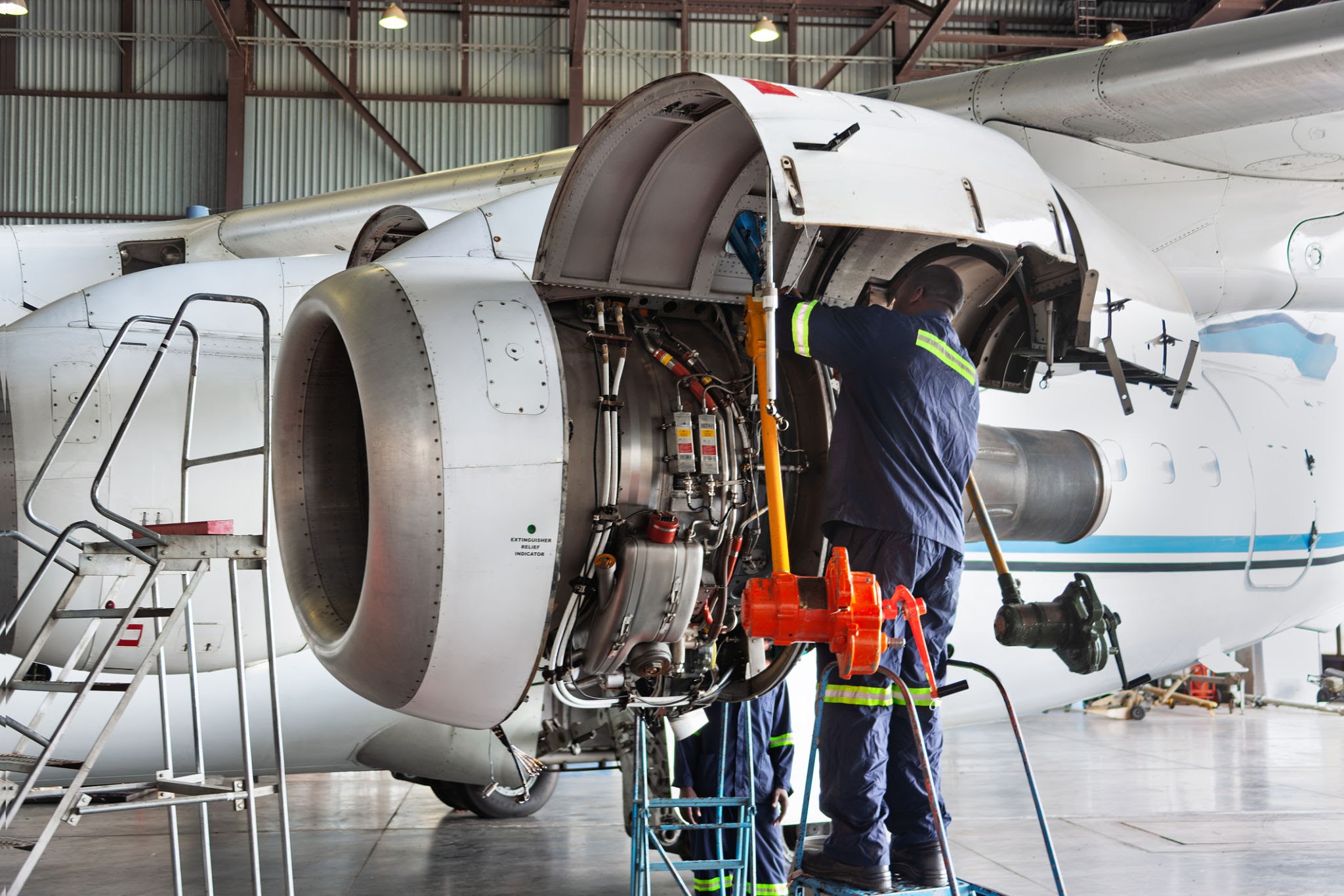
Propulsion Systems Engineer: Develops and maintains turbofan, turboprop, and jet engines for civilian and military aircraft fleets.
5. High-Demand Job Roles for Aerospace Engineers
Specialists qualified in spaceflight systems build rewarding careers in national space agencies, satellite communications companies, and private rocket manufacturers.
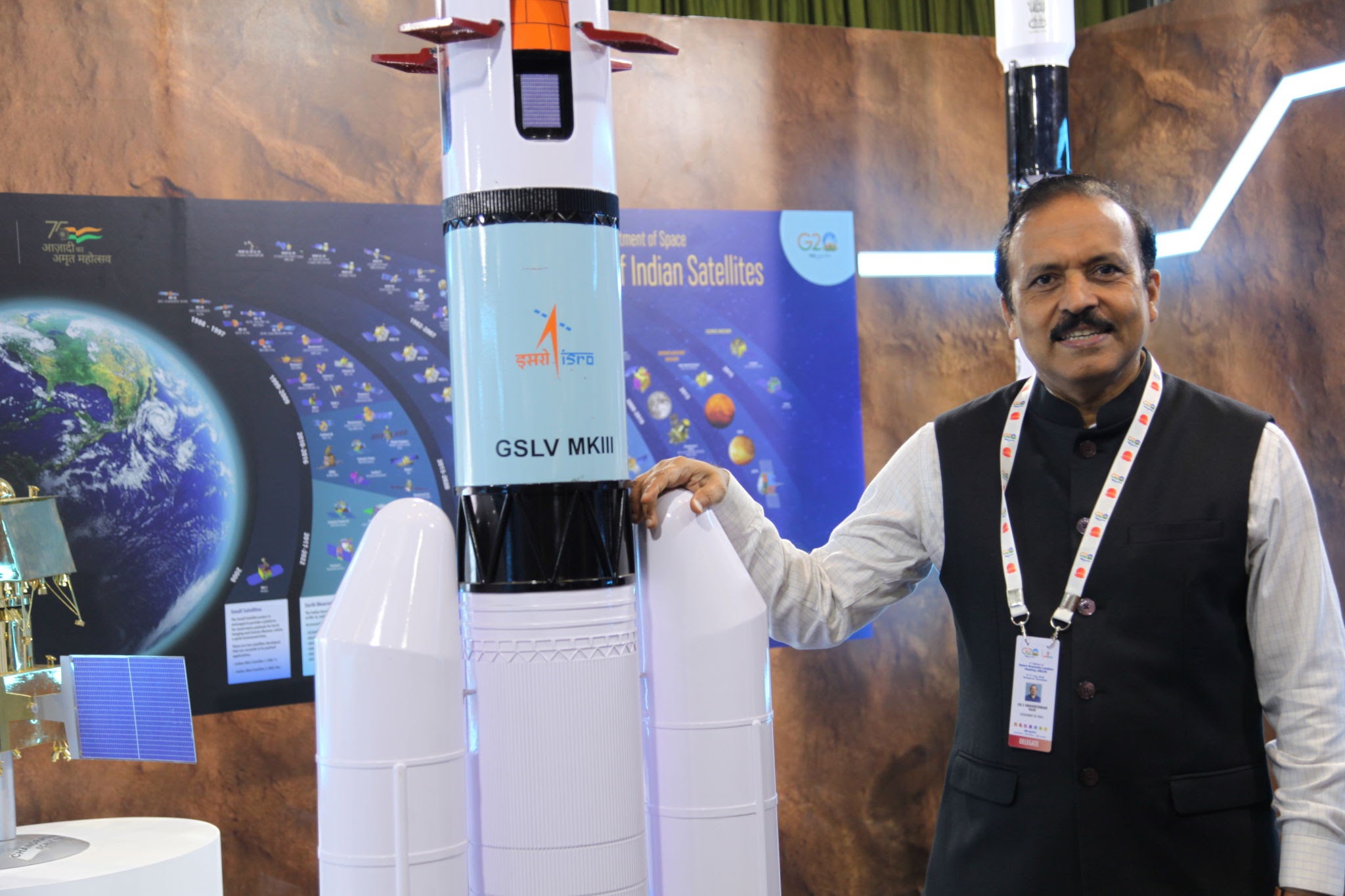
Satellite Systems Engineer: Designs payload structures, thermal management systems, solar arrays, and telemetry hardware for orbital spacecraft.
Rocket Propulsion Engineer: Develops liquid, solid, and hybrid rocket engines for launch vehicles and deep-space thrusters.
Mission Operations Analyst: Calculates orbital insertion paths, station-keeping maneuvers, and planetary trajectories for interplanetary missions.
Thermal Control Engineer: Ensures space hardware withstands extreme temperature swings in vacuum environments.
6. Salary Prospects and Recruitment Ecosystems
Financial compensation in both engineering fields remains highly competitive, reflecting the technical expertise required for mission-critical hardware.
| Career Vector | Aeronautical Specialization | Aerospace Specialization |
| Primary Industry | Commercial airlines, defense aviation, maintenance | Space agencies, satellite firms, launch providers |
| Key Employers | Boeing, Airbus, Lockheed Martin, GE Aerospace | NASA, ISRO, SpaceX, Blue Origin, Rocket Lab |
| Work Environment | Aircraft hangars, wind tunnels, assembly lines | Cleanrooms, launch pads, mission control centers |
| Growth Drivers | Green aviation, autonomous drones, supersonic flight | Satellite internet, lunar exploration, space logistics |
Graduates entering established defense and commercial aviation companies enjoy structured career progression, whereas specialists joining commercial space startups often encounter fast-paced development environments.
For additional information on aerospace research and space science initiatives, explore official updates published by NASA.
7. Leading Global Institutes for Aerospace and Aeronautical Degrees
Securing admission to top-ranked engineering universities grants students access to advanced wind tunnels, propulsion test stands, and satellite fabrication facilities.
Premier Global Universities:
Massachusetts Institute of Technology (MIT), USA
Stanford University, USA
California Institute of Technology (Caltech), USA
Imperial College London, United Kingdom
Delft University of Technology (TU Delft), Netherlands
Premier Institutes in India:
Indian Institutes of Technology (IIT Bombay, IIT Kanpur, IIT Madras, IIT Kharagpur)
Indian Institute of Science (IISc), Bengaluru
Indian Institute of Space Science and Technology (IIST), Thiruvananthapuram
Candidates interested in space research careers in India can review educational programs through the Indian Space Research Organisation (ISRO) academic portal.
8. Essential Skills for Success in Flight Sciences
Thriving in high-stakes engineering environments demands a blend of technical mastery, analytical problem-solving, and collaborative skills.
┌─────────────────────────────────────────────────────────────┐
│                   SUCCESS SKILL MATRIX                      │
│  • CAD/CAM Modeling & CFD     • System Design & Safety      │
│  • Programming (Python, C++)  • Multidisciplinary Teamwork  │
└─────────────────────────────────────────────────────────────┘
Engineers must master computer-aided design (CAD) software, computational fluid dynamics (CFD) packages, and structural finite element analysis (FEA) tools. Additionally, proficiency in programming languages like Python, C++, and MATLAB is essential for modeling complex flight dynamics and control systems. Strong communication skills are equally crucial, as project teams frequently coordinate across software, hardware, and safety units.
9. How to Choose: Which Engineering Branch Suit You Best?
Selecting between these two rewarding pathways comes down to your personal interest in atmospheric versus spaceflight environments.
  1. Assess Flight Environment Preference (Earth's Atmosphere vs. Space Vacuum)
                                │
                                ▼
  2. Determine Target Industry (Civil/Military Aviation vs. Space Exploration)
                                │
                                ▼
  3. Select Your Preferred Specialization (Aeronautical vs. Aerospace Degree)
Choose Aeronautical Engineering if you are passionate about commercial jets, fighter aircraft, drones, jet engine mechanics, and atmospheric aerodynamic performance.
Choose Aerospace Engineering if you are fascinated by rocket launches, satellite orbits, deep-space exploration, and building hardware designed for extraterrestrial environments.
10. Conclusion: Soaring Toward Your Engineering Future
Both aerospace engineering and aeronautical engineering offer exciting, high-impact career options for students interested in flight technology. Whether your ambition is to design efficient commercial aircraft or engineer launch vehicles for interplanetary missions, pursuing an advanced degree in flight sciences equips you to push the boundaries of modern technology. By aligning your educational path with your personal passions, you can play an active role in shaping the future of global aviation and space exploration.

How useful was this post?
Click on a star to rate it!
Average rating 0 / 5. Vote count: 0
No votes so far! Be the first to rate this post.