
Best EdTech Trends Transforming Education in India
The rapid evolution of modern classrooms across the nation is driven by breakthroughs in technology, changing pedagogical demands, and systemic reforms. As digital infrastructure reaches the furthest corners of the country, digital transformation in Indian education has shifted from a mere luxury into an indispensable backbone for schools, coaching institutes, and universities alike.
From artificial intelligence engines that customize lesson plans dynamically to immersive virtual reality labs built for complex scientific concepts, interactive tools are bridging the long-standing urban-rural divide. Understanding the core EdTech trends transforming education in India is essential for educators, parents, and policy experts who wish to navigate this ongoing revolution effectively.
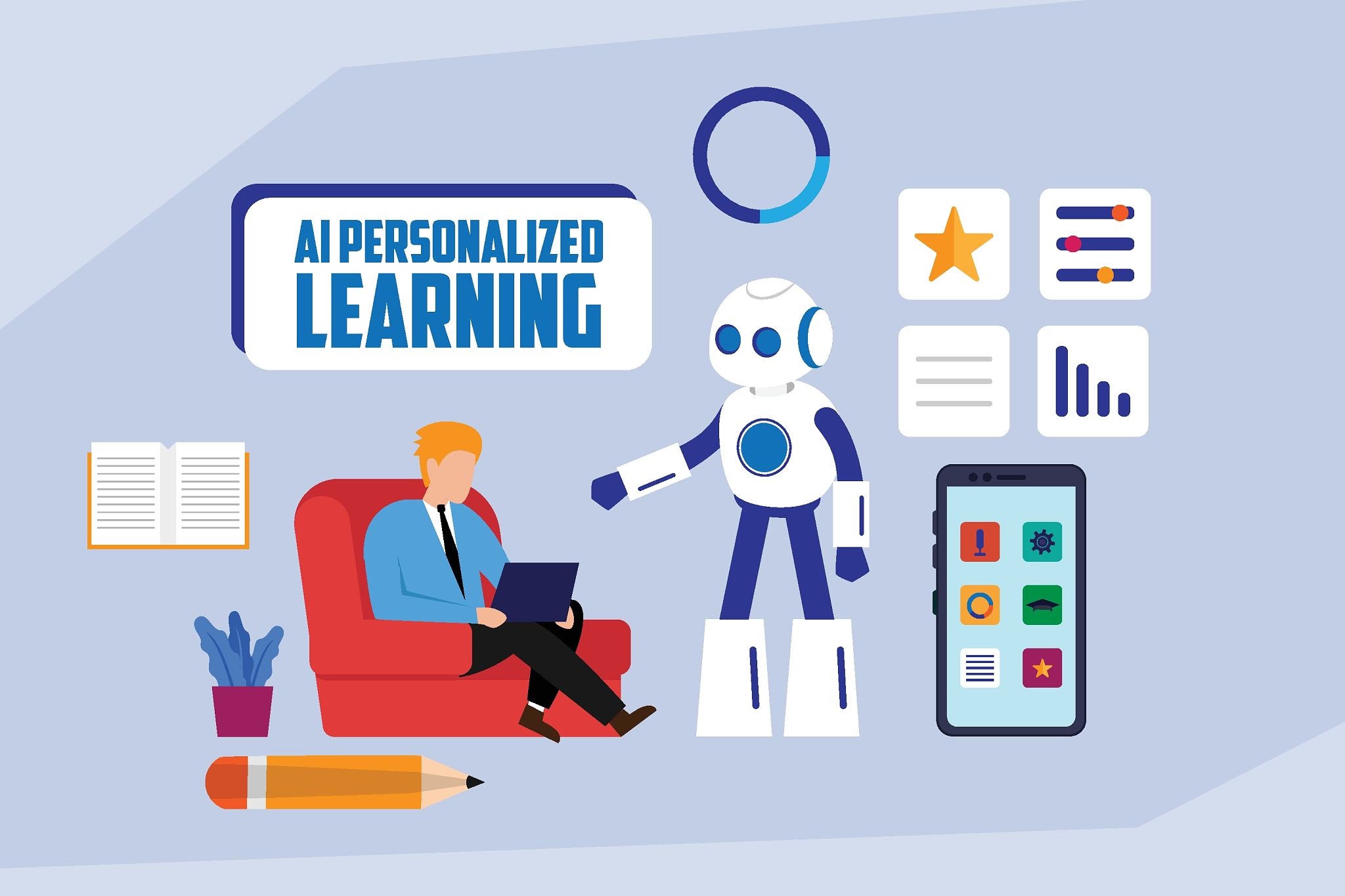
1. AI-Driven Personalised Learning and Adaptive Ecosystems
Every student absorbs concepts at a unique velocity, making traditional one-size-fits-all teaching methods increasingly obsolete. The integration of artificial intelligence in Indian classrooms allows adaptive algorithms to evaluate a learner’s strengths, weaknesses, and attention patterns in real time. Platforms analyze response times and concept mastery to dynamically tailor homework, suggest practice modules, and alter difficulty levels automatically.
This ensures that gifted students remain constantly challenged while those who need additional support receive instant remedial exercises without feeling left behind. Leading platforms like Extramarks and Infinity Learn have embedded intelligent engines directly into their core learning management architectures. Ultimately, this customized approach fosters deeper curiosity, builds lasting confidence, and boosts retention rates dramatically.
2. Immersive Experiential Learning via Augmented and Virtual Reality
Abstract concepts often present significant learning hurdles when taught purely through flat textbook diagrams or standard blackboard lectures. The widespread adoption of augmented reality in Indian schools and virtual reality headsets has fundamentally converted passive reading into active exploration. Students can now walk through the ancient Indus Valley Civilization, explore the chambers of a human heart in 3D space, or conduct complex chemistry simulations without needing physical chemical reagents.
This high level of immersion transforms theoretical modules into memorable sensory experiences, drastically reducing cognitive friction and boosting concept recall. As hardware costs decrease and local language content expands, schools across Tier-2 and Tier-3 cities are introducing dedicated AR/VR experiential zones to elevate daily science and history instruction.

3. The Rise of Gamified Learning Frameworks
Sustaining high student engagement over extended study periods remains an ongoing challenge for traditional educators. The strategic application of gamification in online education introduces game elements like point systems, leaderboards, achievement badges, and interactive questlines directly into academic subjects. By tapping into intrinsic motivation and healthy peer competition, gamified apps convert monotonous study routines into enjoyable interactive challenges.
Learners earn instant feedback upon completing daily objectives, which encourages consistent study habits, improves focus, and removes the boredom associated with repetitive test preparation. Platforms such as Unacademy and Vedantu frequently deploy interactive live quizzes and instant reward mechanics to keep millions of competitive exam aspirants actively involved throughout their prep journeys.
4. Hybrid Learning Models and Phygital Classroom Infrastructure
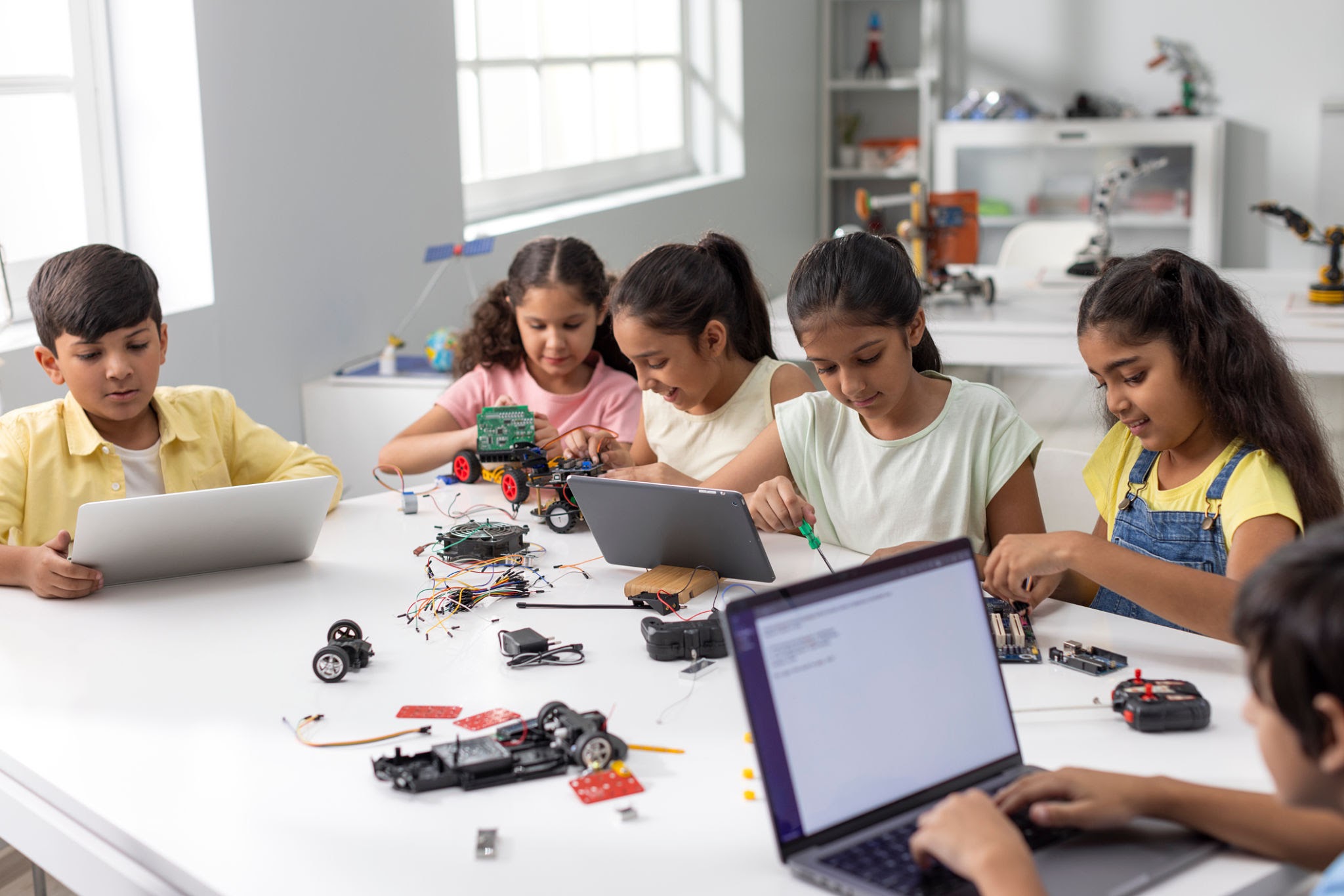
The debate between pure physical schooling and exclusive online learning has given way to a harmonized approach. Modern hybrid learning platforms in India combine the structured discipline of face-to-face classroom interactions with the flexibility and wealth of digital resources. Schools and test-preparation institutes are upgrading standard rooms into interactive “phygital” spaces equipped with high-definition smart boards, automatic lecture recording tools, and cloud-connected learning portals.
Students attend physical classes for group discussions, sports, and hands-on lab experiments, while reviewing recorded lectures, attempting digital mock tests, and accessing supplementary reading materials at home. This unified ecosystem ensures learning remains uninterrupted regardless of weather disruptions, regional transport issues, or individual health needs.
5. Vernacular Language Tech and Regional Accessibility Innovations
India’s rich linguistic diversity means that English-only digital educational content leaves millions of talented students in rural regions underserved. A profound shift toward vernacular EdTech platforms in India is dismantling these historic language barriers by delivering high-quality video lectures, textbook summaries, and interactive quizzes in regional Indian languages including Hindi, Tamil, Telugu, Marathi, and Bengali.
EdTech pioneers like PhysicsWallah have demonstrated that offering affordable, localized content creates immense value, enabling students from small towns to master complex competitive syllabus topics in their native languages. Advanced translation models and multilingual voice assistants now translate lecture audio and video captions instantly, making quality education truly inclusive across every corner of the country.
6. Micro-Learning and Bite-Sized Content Delivery Systems
In an era dominated by short-form video content, traditional long-form lectures can lead to cognitive overload and declining attention spans among young learners. The deployment of micro-learning in Indian EdTech breaks massive academic curricula into digestible 3-to-5-minute video explainers, quick infographics, and targeted concept cards.
Students can master individual concepts during short study breaks, making revision sessions far less intimidating. Micro-learning is particularly effective for mobile-first learners who rely on smartphones to study while commuting or during brief free intervals throughout the day. This chunked approach improves information absorption, aids long-term memory retrieval, and allows users to quickly review specific sub-topics right before major examinations.
7. Skill-Based Education and Digital Micro-Credentials
Traditional degree programs are increasingly paired with job-ready certifications to meet the demands of a rapidly shifting global employment market. The emphasis on vocational skill development platforms has led to the widespread adoption of digital badges and micro-credentials that directly reflect practical competence.
Instead of waiting several years for a single diploma, learners earn verifiable digital certificates in software development, digital marketing, data analysis, or UI/UX design as they complete individual practical modules. Leading higher education platforms like upGrad and Simplilearn partner with top global universities and industry leaders to issue blockchain-verified credentials, enabling job seekers to present transparent proof of their skills to potential employers worldwide.
8. Continuous Assessment 4.0 and AI-Powered Examination Security
The era of relying solely on high-stakes, end-of-year written examinations to evaluate student aptitude is coming to an end. Modern AI proctoring and online assessment systems offer continuous, skill-focused evaluation methods that track a student’s project submissions, daily quizzes, and collaborative group assignments throughout the entire academic year.
When remote formal exams take place, automated proctoring software monitors eye movements, detects unauthorized background devices, and flags suspicious facial movements to maintain complete academic integrity. Furthermore, generative AI tools assist educators by generating diverse, randomized question pools and auto-grading descriptive answers, drastically reducing administrative overhead and allowing teachers to focus on real classroom mentorship.
9. Comprehensive School Management Systems and Administrative ERPs
Managing a modern educational institution involves handling massive datasets, ranging from fee collection and attendance records to parent communication and bus route tracking. The integration of cloud ERP solutions for schools replaces fragmented single-purpose tools with unified operational hubs. Platforms such as QuickCampus provide all-in-one management systems that connect teachers, parents, students, and school administrators on a single interface.
Teachers save hours every week by generating automated report cards and managing digital attendance registers in seconds. Meanwhile, parents receive real-time notifications regarding their child’s academic performance, health records, and pending fee payments directly through dedicated mobile applications, bringing complete transparency to school management.
10. Student Wellbeing Analytics and Mental Health Tech Integration
Recognizing that academic achievement is directly linked to emotional stability, schools are expanding their focus beyond test scores. The emergence of mental health EdTech applications introduces dedicated wellbeing tracking tools into standard school dashboards.
These platforms anonymously track subtle indicators such as sudden drops in platform activity, changes in assignment submission timing, and self-reported mood logs to identify signs of stress, burn-out, or anxiety early on. School counselors and mentors receive automated alerts when a student exhibits distress patterns, enabling timely professional support and empathetic intervention. By prioritizing emotional health alongside intellectual growth, schools foster safe, supportive environments where every learner can flourish.
11. EdTech for Teacher Upskilling and Professional Growth
The success of any educational technology depends ultimately on the confidence and capability of the teachers deploying it. The rapid rise of digital teacher training programs provides educators with dedicated platforms to upskill themselves in modern digital pedagogy, online classroom management, and AI-assisted lesson planning.
Virtual observation labs, micro-certification modules, and collaborative online teacher communities empower educators across rural and urban institutions to exchange innovative lesson plans and pedagogical strategies effortlessly. As school systems invest heavily in continuous teacher training, educators evolve from traditional content presenters into expert learning facilitators who leverage high-tech tools to inspire the next generation of thinkers.
Looking Ahead: The Future of Learning in India
The structural shift currently underway across India’s educational landscape is reshaping how knowledge is generated, delivered, and assessed. By combining state-of-the-art artificial intelligence, immersive visual technologies, vernacular content accessibility, and compassionate wellbeing analytics, modern learning models are opening unprecedented doors for millions of aspiring students.
As government initiatives like the National Education Policy continue to emphasize technology-driven learning frameworks, the collaboration between traditional educational institutions and innovative EdTech creators will remain the single most powerful driver of national growth, equity, and intellectual progress.

How useful was this post?
Click on a star to rate it!
Average rating 0 / 5. Vote count: 0
No votes so far! Be the first to rate this post.