
ISRO and AIIMS Collaboration: How Space Medicine Research Could Benefit Human Health
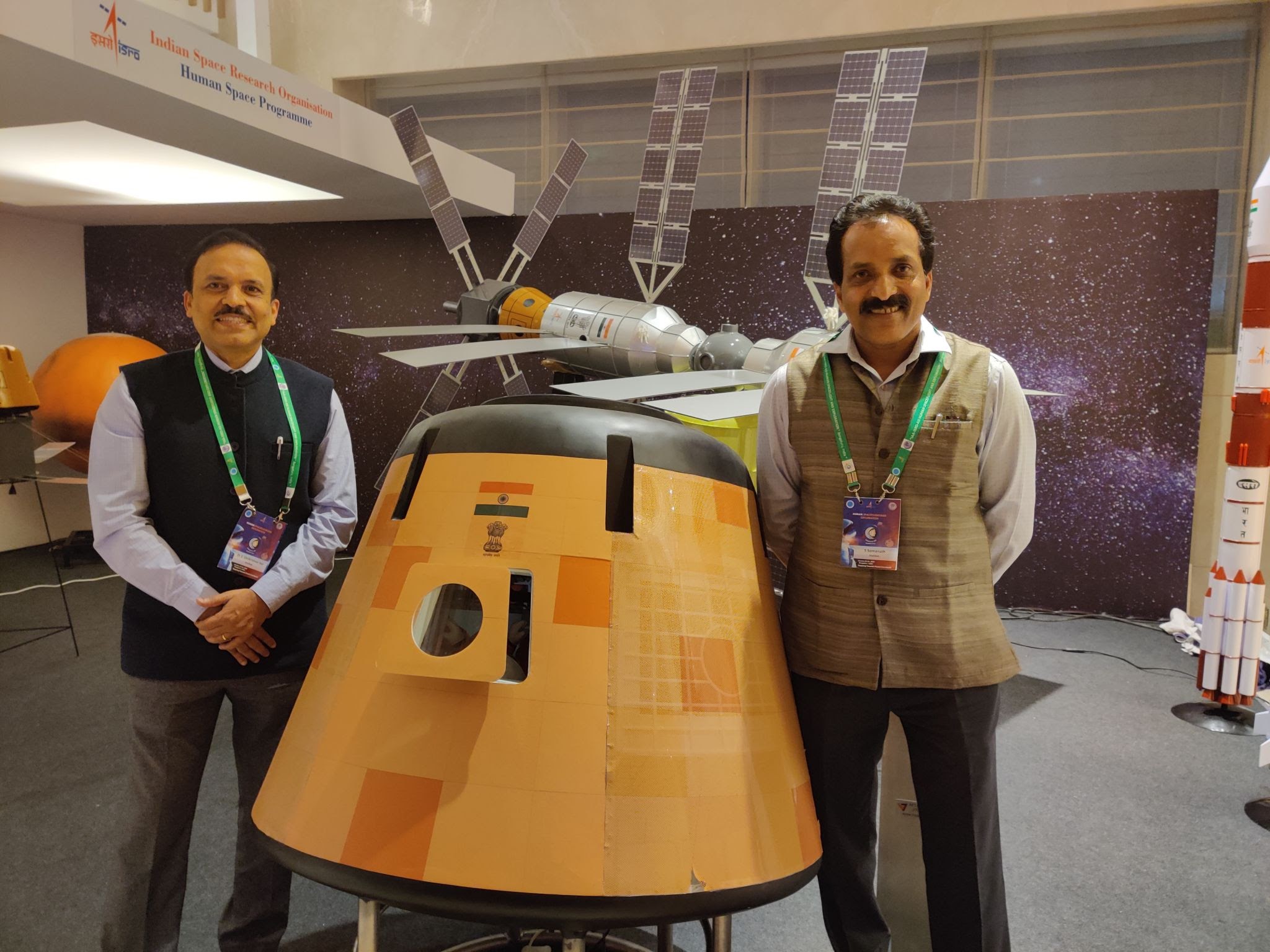
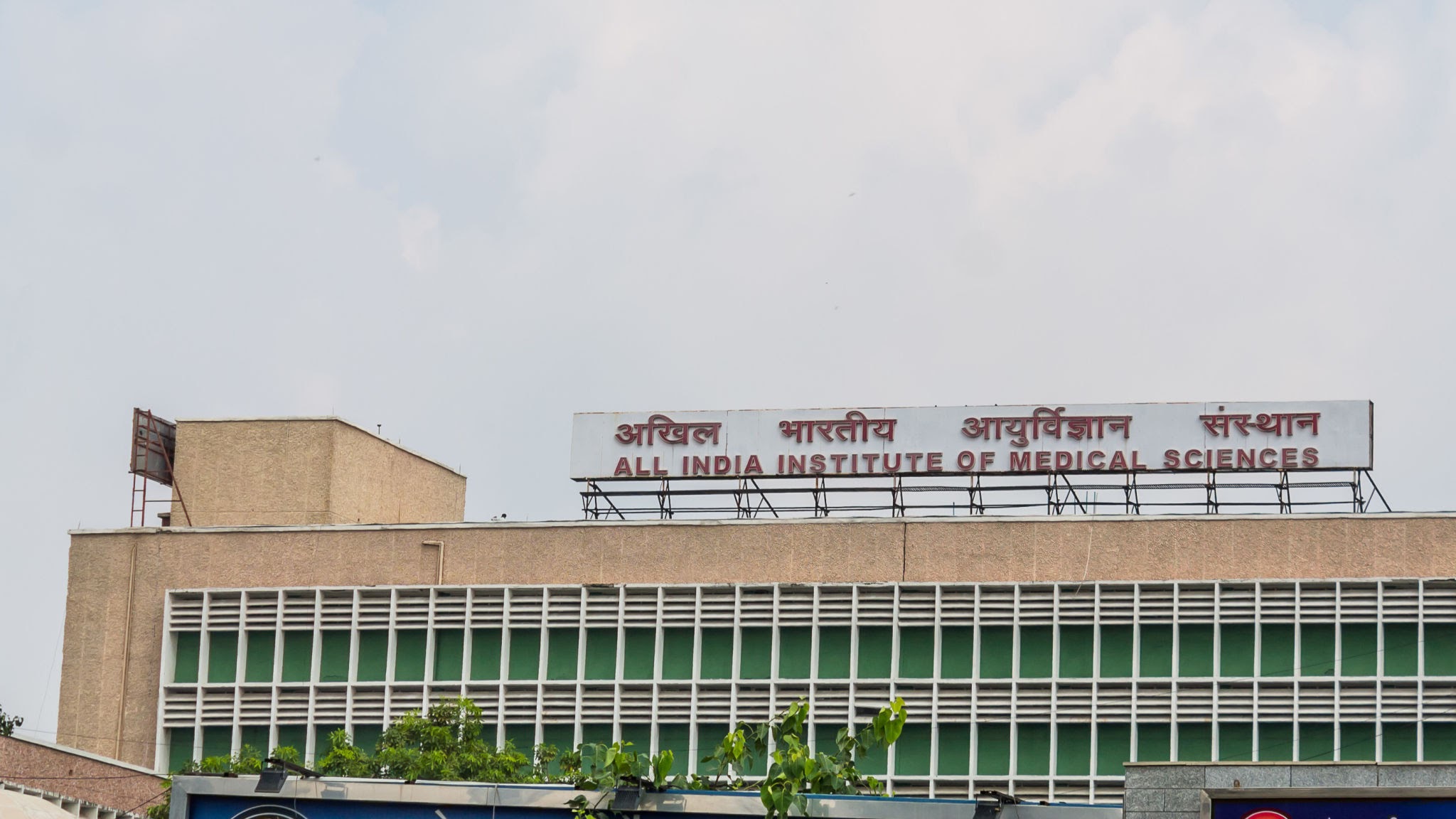
The boundary between outer space exploration and terrestrial healthcare is dissolving rapidly as India embarks on ambitious human spaceflight missions. The landmark partnership between the Indian Space Research Organisation (ISRO) and the All India Institute of Medical Sciences (AIIMS) marks a revolutionary paradigm shift in biomedical engineering and clinical practice. While the primary goal of space medicine research is to protect astronauts navigating microgravity and cosmic radiation during missions like Gaganyaan and the Bharatiya Antariksh Station, the secondary gains for general human health on Earth are profound. By investigating how the human body adapts to extreme extraterrestrial environments, clinical researchers at AIIMS and aerospace engineers at ISRO are pioneering new diagnostic tools, rehabilitation protocols, and preventive treatments for everyday diseases affecting millions worldwide.
1. The Genesis of ISRO and AIIMS Collaboration in Space Medicine Research
The strategic partnership between India’s premier space agency and its top medical institute brings together cutting-edge aerospace technology and advanced clinical expertise. Space medicine research focuses on understanding the physiological, psychological, and cellular adaptations that occur when humans venture beyond Earth’s protective atmosphere. As ISRO prepares for long-duration crewed spaceflights, ensuring astronaut health, performance, and survival requires unprecedented medical innovation. AIIMS researchers are conducting ground-based simulations and microgravity studies to map the biological stress responses caused by weightlessness, cosmic radiation, and altered circadian rhythms. This multidisciplinary framework bridges theoretical space biology and real-world medical practice, establishing a scientific pipeline where discoveries made for space missions directly translate into novel healthcare solutions for Earth-bound patients.
2. Understanding Microgravity and Its Effects on Human Physiology
When the human body enters a microgravity environment, it undergoes immediate and dramatic physiological shifts. Without the constant gravitational pull that Earth exerts, body fluids shift upward toward the chest and head, causing cardiovascular deconditioning, facial edema, and altered blood pressure regulation. Simultaneously, the skeletal system experiences rapid calcium loss, while muscular tissues—especially weight-bearing posture muscles—begin to atrophy at an accelerated rate. By analyzing these severe physiological disruptions through collaborative space medicine research, scientists at AIIMS New Delhi can observe accelerated biological aging processes in real time. Understanding how microgravity triggers rapid muscle wasting, bone density loss, and cardiovascular strain offers clinicians unique mechanistic insights into common terrestrial conditions such as osteoporosis, sarcopenia, and chronic cardiovascular disease.
3. Counteracting Bone Density Loss and Osteoporosis on Earth
One of the most persistent hazards of extended spaceflight is microgravity-induced bone mineral loss, which mirrors severe osteoporosis. In weightlessness, bones no longer bear mechanical loads, signaling osteoclasts to break down bone tissue faster than osteoblasts can rebuild it. Through joint investigations, ISRO and AIIMS are developing advanced exercise countermeasure devices, specialized nutrition regimens, and targeted pharmacological therapies to suppress bone resorption in astronauts. These exact therapeutic strategies and medical interventions are now being adapted for bedridden patients, elderly individuals suffering from age-related osteoporosis, and patients recovering from paralyzing spinal cord injuries. The non-invasive monitoring tools engineered to assess bone density in orbit are opening new pathways for early osteoporosis screening in rural and underserved healthcare centers across India.
4. Cardiovascular Deconditioning and Novel Circulatory Therapeutics
In space, the absence of gravity reduces the workload on the heart muscle, leading to cardiovascular fluid redistribution and progressive vascular stiffness. Astronauts returning to Earth often experience orthostatic intolerance—a sudden drop in blood pressure upon standing that causes dizziness and fainting. To overcome this challenge, space medicine research spearheaded by ISRO and AIIMS focuses on dynamic compression garments, lower-body negative pressure systems, and non-pharmacological fluid regulation protocols. These innovations have direct therapeutic applications for cardiac rehabilitation patients, individuals suffering from Postural Orthostatic Tachycardia Syndrome (POTS), bedridden intensive care unit patients, and elderly populations with fragile autonomic vascular control. More details on official space mission biology and technology updates can be reviewed on the official ISRO Website.
5. Telemedicine Innovations and Remote Healthcare Delivery
Space exploration requires medical diagnostics and patient management to occur across vast distances with minimal infrastructure. The ISRO and AIIMS partnership leverages advanced satellite communications, artificial intelligence, and miniaturized diagnostic sensors to create robust telemedicine systems. The ultra-portable point-of-care medical kits and remote ultrasound technologies designed to monitor astronaut vital signs in orbit are easily repurposed for isolated geographic regions. Rural clinics, high-altitude military posts, and disaster-stricken areas can utilize these ISRO-backed satellite telemedicine networks to connect local health workers with AIIMS specialists instantly. This cross-pollination ensures that high-quality tertiary healthcare advice reaches marginalized populations who previously lacked access to specialist medical interventions.
6. Miniaturized Diagnostic Devices and Point-of-Care Biosensors
Weight and volume constraints inside human spaceflight modules demand ultra-compact, lightweight, and energy-efficient diagnostic hardware. Researchers involved in space medicine research are replacing bulky laboratory analysis machines with microfluidic lab-on-a-chip biosensors capable of testing blood samples, hormone levels, and immunological markers within minutes. When integrated into everyday healthcare systems, these miniature diagnostic devices allow doctors to conduct immediate blood tests at a patient’s bedside, in emergency ambulances, or during routine community health visits. Early detection of sepsis, cardiac troponin spikes during heart attacks, or viral infections can now occur in real time without waiting hours for centralized hospital laboratory results.
7. Neuro-Vestibular Adaptation and Balance Disorder Rehabilitation
Space motion sickness affects nearly all astronauts during their initial days in microgravity due to conflicting sensory signals between the inner ear vestibular system and visual cues. ISRO and AIIMS are collaborating to map neuroplasticity and brain adaptation mechanisms using advanced neuroimaging and virtual reality motion platforms. The neuro-rehabilitation protocols developed to train astronauts’ balance before launch and restore spatial orientation post-landing are proving revolutionary for earthly clinical neurology. Patients suffering from chronic vertigo, vestibular neuritis, age-related gait instability, stroke-induced motor deficits, and Parkinson’s disease benefit directly from these specialized virtual reality training environments and biofeedback balance sensors.
8. Immune System Dysfunction and Genomic Medicine Research
Prolonged exposure to microgravity, psychological isolation, disrupted sleep, and cosmic radiation leads to immune system suppression in astronauts. Space medicine research analyzes astronaut white blood cells, microbial biome shifts, and gene expression changes to identify biomarkers of immune dysfunction. The deep genetic sequencing and immunological profiling carried out by AIIMS scientists provide crucial data on how environmental stress alters human DNA repair mechanisms and immune surveillance. These genomic findings are accelerating personalized medicine initiatives, helping oncologists understand radiation-induced cellular mutations, and facilitating the development of novel immunotherapies for autoimmune diseases, chronic viral infections, and age-related immune decay.
9. Radiation Protection and Cancer Therapy Breakthroughs
Galactic cosmic rays and solar particle events represent severe radiation hazards for long-duration space travel. Developing lightweight, high-performance radiation shielding materials and radioprotective pharmaceuticals is a top joint priority for ISRO radiation physicists and AIIMS medical oncologists. The novel chemical compounds tested to protect human tissues against space radiation without causing toxic side effects hold extraordinary promise for cancer treatment on Earth. When cancer patients undergo therapeutic radiation therapy, adjacent healthy tissues are often damaged. Radioprotective molecules born out of space medicine research can shield normal healthy organs during targeted tumor radiation, allowing oncologists to deliver higher, more effective radiation doses directly to malignant tumors while dramatically minimizing patient side effects.
10. Psychological Well-being, Sleep Hygiene, and Isolation Management
Living in confined space capsules for extended periods under extreme operational pressure creates intense psychological strain, sensory deprivation, and circadian rhythm disruption. AIIMS behavioral scientists and ISRO life support engineers are investigating psycho-social monitoring tools, dynamic full-spectrum lighting systems, and stress-mitigation protocols to preserve astronaut mental health. The sleep hygiene interventions and artificial intelligence-driven mood analysis tools engineered for spaceflight are highly applicable to modern terrestrial society. Shift workers, healthcare professionals on overnight hospital duties, submarine crews, and individuals suffering from clinical depression, anxiety, or insomnia can utilize these space-tested light-therapy protocols and cognitive-behavioral wellness techniques to restore mental resilience and optimal sleep architectures.
11. Transforming Emergency Medical Care and Life Support Systems
The closed-loop environmental control and life support systems (ECLSS) built for human spaceflight must recycle water, regulate oxygen levels, purify air, and handle medical emergencies with extreme reliability. The ultra-compact ventilator systems, automated fluid recyclers, and emergency trauma management gear created through ISRO and AIIMS joint research are redefining critical care engineering. Emergency rooms, mobile intensive care ambulances, and disaster relief medical tents can now deploy lightweight, low-power life support units originally tailored for space module constraints. These durable medical devices ensure that critically ill patients in remote locations receive life-saving mechanical ventilation and continuous vital monitoring during long transit times to regional hospitals.
12. The Future Outlook of Space Medicine Research in India
The collaborative efforts between ISRO and AIIMS represent a strategic leap forward for national scientific self-reliance and global biomedical leadership. As India prepares to launch human crews into low Earth orbit and eventually establish a permanent presence on the Moon, space medicine research will remain the central pillar of human safety and mission success. Beyond human spaceflight, the continuous translation of extraterrestrial medical innovations into affordable clinical technologies will democratize healthcare access across urban and rural India alike. By uniting rocket science with clinical excellence, ISRO and AIIMS are proving that exploring the cosmos is not merely about reaching distant stars, but about vastly improving the quality of life, health, and longevity for all human beings right here on Earth.

How useful was this post?
Click on a star to rate it!
Average rating 0 / 5. Vote count: 0
No votes so far! Be the first to rate this post.