
The Hybrid Educator: Blending Tradition and Technology to Future-Proof Teaching
The rapid evolution of modern classrooms has sparked an unprecedented debate about the role of the teacher. As artificial intelligence, virtual learning platforms, and digital tools dominate classrooms, many ask: is the traditional teacher becoming obsolete? The answer is a resounding no. However, the traditional teaching model on its own is no longer sufficient to prepare students for a rapidly changing world. To thrive in this new landscape, teachers must evolve.
The future belongs to the hybrid educator—a professional who seamlessly blends the timeless principles of traditional teaching with the powerful capabilities of digital learning to create a highly resilient, future-proof teaching career.
In this comprehensive guide, we will analyze the rise of the hybrid educator, explore why integrating classroom technology with human empathy is essential, and outline actionable strategies to implement successful hybrid teaching models in 2026.
1. The Dawn of the Hybrid Educator Era
For centuries, education relied on a static framework: a teacher standing at the front of a physical classroom, delivering a lecture to a group of students. Today, that centralized model has shattered. We are living in a decentralized, digital-first era where information is accessible instantly.
This shift has created a massive demand for the hybrid educator. A hybrid educator is not merely a teacher who knows how to use a laptop; they are pedagogical architects who purposefully combine physical interaction with virtual, software-driven resources to optimize learning outcomes. By mastering this integration, they establish future-proof teaching strategies that ensure they remain indispensable in an increasingly automated world.
2. What is a Hybrid Educator? Defining the New Teaching Paradigm
To truly understand this shift, we must clearly define what a hybrid educator is. This is a professional who actively operates at the intersection of human relationship-building and sophisticated educational technology.
The hybrid educator understands that technology is not a replacement for pedagogical strategy, but an accelerant. They do not abandon classic instructional practices like classroom discussions, Socratic seminar structures, or physical hands-on science labs. Instead, they enhance these traditional methods with adaptive digital resources, virtual collaborations, and automated assessments. This balanced approach is the core of modern hybrid teaching models.
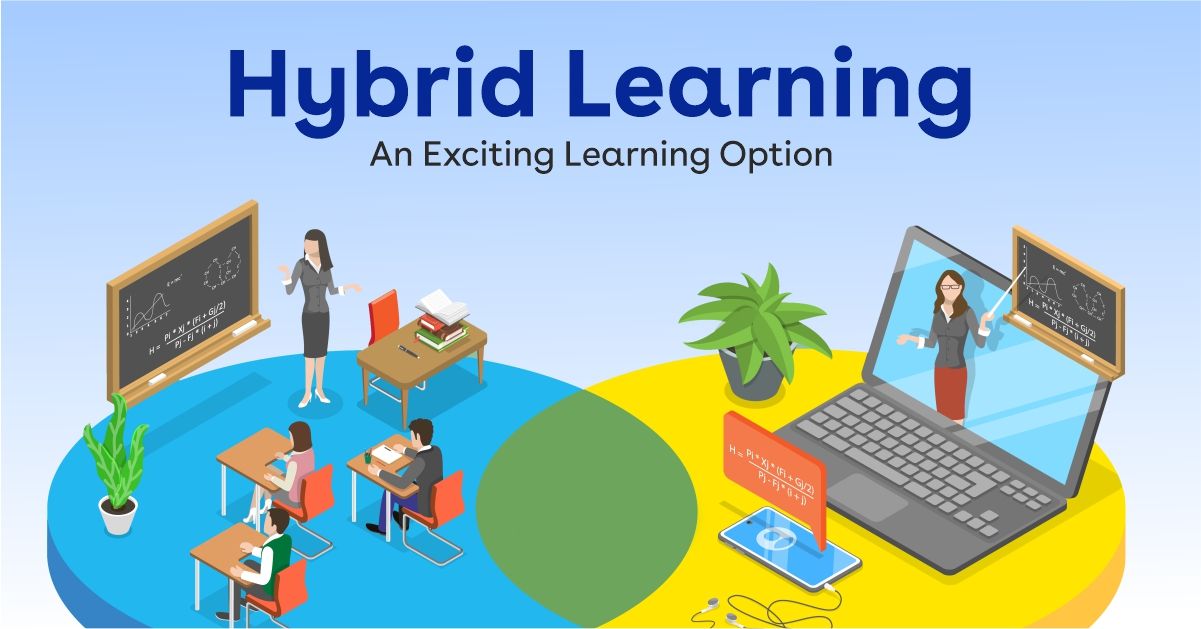
3. The Great Classroom Debate: Traditional Teaching vs. Digital Learning
For years, school boards and policymakers viewed education through a binary lens: traditional teaching versus modern digital learning.
Traditional teaching advocates prioritized social-emotional development, structured environments, peer socialization, and physical accountability.
Digital learning proponents highlighted the benefits of self-paced instruction, global accessibility, rich multimedia content, and personalized data tracking.
The modern consensus is that both extremes have critical flaws when deployed in isolation. Purely virtual instruction often leads to student isolation, low motivation, and high dropout rates. Conversely, purely traditional methods struggle to accommodate diverse learning paces and fail to prepare students for digital-first workplaces. The hybrid educator resolves this tension by merging the strengths of both systems while neutralizing their weaknesses.
4. Why Classroom Technology Alone Can Never Replace Human Teachers
As advanced software and AI tools become more integrated into classrooms, some fear that tech will automate teaching entirely. However, the human element of education is irreplaceable. According to major psychological studies featured on platforms like Edutopia, emotional safety, social connection, and teacher empathy are foundational to cognitive processing and learning retention.
An algorithm can deliver a video lecture and grade a multiple-choice quiz, but it cannot:
Spot the subtle micro-expressions of a student who is struggling with anxiety or low self-esteem.
Provide culturally sensitive mentorship or dynamic encouragement to a discouraged child.
Mediate complex interpersonal conflicts during a group project.
Inspire a lifelong passion for a subject through genuine, human enthusiasm.
Classroom technology is a tool; the hybrid educator is the driving force that gives that tool meaning.
5. The Core Pillars of Blended Learning in Modern Schools
To successfully implement future-proof teaching, educators must rely on the structured frameworks of blended learning.
                          Blended Learning Architecture
                                        │
           ┌────────────────────────────┴────────────────────────────┐
           ▼                                                         ▼
  Traditional Core                                              Digital Edge
  (Empathy, Mentorship,                                   (Adaptive Platforms, AI,
  Hands-on Collaboration)                                 Real-Time Data Analytics)
By balancing these two pillars, schools can transition from rigid, one-size-fits-all lecture models to dynamic, highly personalized learning environments.
6. Key Benefits of Becoming a Hybrid Educator in 2026
If you are an academic looking to advance your career, transitioning into a hybrid role offers immense personal and professional advantages:
Higher Professional Demand and Job Security
As school systems globally restructure to integrate digital platforms, administrators are actively prioritizing tech-literate candidates. Teachers who possess certified skills in LMS management, digital course creation, and data-driven instruction are securing premium placements and leadership roles.
Enhanced Personalization of Student Support
With adaptive EdTech tools, you no longer have to teach to the “average” student. Advanced software can instantly adjust reading levels or math problem difficulties based on real-time performance. This allows you to give advanced students enrichment opportunities while dedicating your physical presence to supporting students who need targeted intervention.
7. How EdTech Tools Empower Teachers to Overcome Administrative Burnout
Teacher burnout is one of the most pressing crises in global education. A massive portion of this burnout stems not from actual teaching, but from overwhelming administrative tasks.
By leveraging modern EdTech tools, a hybrid educator can automate up to 40% of their non-teaching workload. AI-driven platforms can assist with:
Grading repetitive homework assignments and vocabulary quizzes.
Organizing lesson plans and drafting curriculum templates.
Generating customized study guides for diverse learning needs.
Tracking daily attendance and updating student progress reports.
By letting technology handle the administrative weight, teachers can reclaim their time and direct their energy toward face-to-face instruction and impactful student mentorship.
8. Practical Strategies for Integrating Classroom Technology with Traditional Pedagogy
How does a hybrid educator actually function on a daily basis? It requires practical, structured integration strategies.
The Flipped Classroom Model
In a flipped classroom, students watch engaging digital video lectures or interact with multimedia modules at home. They then come to the physical classroom to complete interactive activities, collaborate on projects, and solve complex problems under the direct guidance of the teacher. This maximizes the value of physical, face-to-face class time.
Station Rotation Models
This strategy involves dividing the physical classroom into distinct learning stations. One station features self-paced digital learning on a tablet or laptop; another station involves collaborative group work; and a third station features direct, small-group instruction with the teacher. This ensures that every student gets personalized attention and interactive variety.
9. Designing Hybrid Teaching Models for Maximum Student Engagement
Active student engagement is the metric of any successful lesson. Hybrid teaching models provide a diverse toolkit of interactive opportunities:
Gamified Learning Platforms: Tools like Kahoot, Quizizz, and Prodigy turn assessment into friendly competition, keeping students engaged while collecting valuable assessment data.
Collaborative Virtual Spaces: Using shared online whiteboards and digital workspaces (like Miro or Google Docs) allows students to collaborate in real-time, regardless of whether they are sitting side-by-side or working remotely.
Virtual Reality and Immersive Field Trips: Teachers can use VR headsets to take students on virtual tours of historic sites, deep-sea ecosystems, or outer space, making dry textbook material incredibly vivid and memorable.
10. The Critical Role of Teacher Professional Development in the Digital Age
Simply distributing iPads or laptops to students does not improve educational outcomes. The success of any digital initiative depends entirely on comprehensive, continuous teacher professional development.
School administrators must invest in robust training programs that go beyond basic technical instruction. Professional development must focus on digital pedagogy—teaching educators how to design virtual courses, analyze learning data, and facilitate hybrid classrooms. Organizations like the International Society for Technology in Education (ISTE) provide excellent standards and certification pathways that help educators future-proof their careers.
11. Ethical Considerations: Navigating AI and Data Privacy in Blended Classrooms
As classrooms become highly digitized, the hybrid educator must also act as a guardian of digital ethics.
Data Privacy: Educators must ensure that all digital tools and platforms comply with strict student data privacy regulations (such as COPPA and FERPA).
Equity and the Digital Divide: Not all students have access to high-speed internet or modern devices at home. A successful hybrid model must include equitable design, offering offline alternatives and leveraging school-based resources to ensure no student is left behind.
Academic Integrity in the AI Era: Rather than banning AI tools, hybrid educators teach students how to use generative AI ethically, critically, and as a tool for creative brainstorming rather than a shortcut for plagiarism.
Conclusion: Embracing the Hybrid Path to Future-Proof Your Teaching Career
The integration of traditional teaching and digital learning is not a passing trend; it is the permanent blueprint for modern education. The days of the isolated, lecture-only classroom are behind us, and the era of the dynamic, tech-empowered hybrid educator has officially arrived.
By actively engaging with classroom technology, designing balanced hybrid teaching models, and committing to continuous teacher professional development, you can build an incredibly rewarding, impactful, and future-proof teaching career. Embrace the change, harness the power of modern EdTech, and lead the future of learning with confidence and empathy.

How useful was this post?
Click on a star to rate it!
Average rating 0 / 5. Vote count: 0
No votes so far! Be the first to rate this post.