
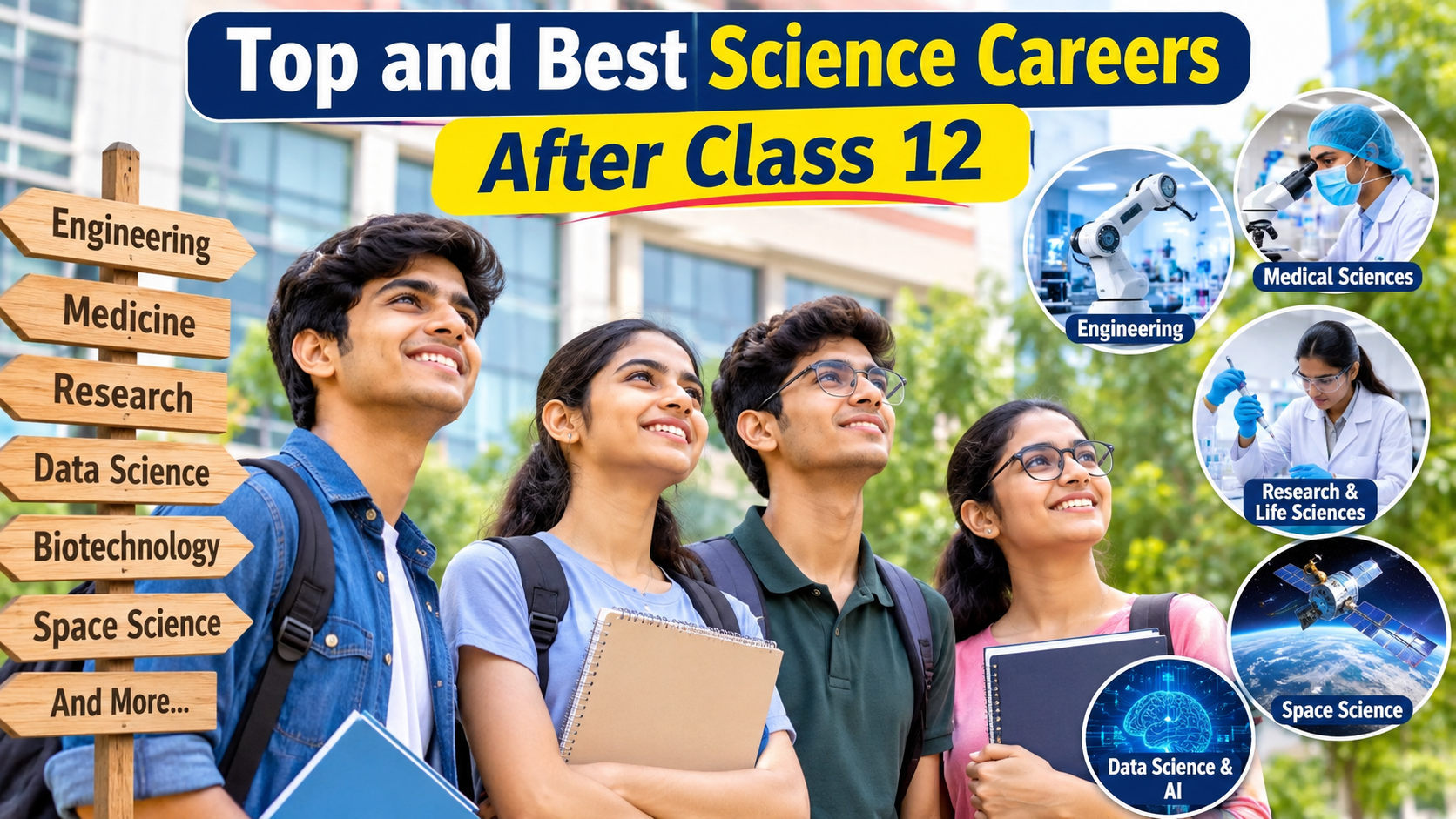
Top and Best Science Careers After Class 12
Completing high school is a monumental milestone, and choosing science careers after Class 12 is one of the most vital decisions a student can make. The stream of science opens up an enormous galaxy of opportunities spanning medicine, technology, research, environmental conservation, and futuristic domains like artificial intelligence and biotechnology. Whether you come from a Physics, Chemistry, Mathematics (PCM) background or a Physics, Chemistry, Biology (PCB) track, the universe of science careers after Class 12 offers robust financial rewards, high job security, and immense personal satisfaction.
In this exhaustive guide, we will explore the best science careers after Class 12, covering high-paying professions, emerging futuristic industries, creative science pathways, and practical steps to select the right degree program for your future.
1. Why Choose Science Careers After Class 12?
Choosing to pursue science careers after Class 12 equips you with critical thinking skills, analytical problem-solving abilities, and practical knowledge that remains in high demand globally. Science is not merely a subject area; it is the driver of global innovation, healthcare advancements, and technological breakthroughs.
Students opting for science careers after Class 12 enjoy unparalleled flexibility. Unlike other streams, science graduates can seamlessly pivot into management, design, research, public service, or entrepreneurship. According to global talent reports from organizations like the World Economic Forum, STEM (Science, Technology, Engineering, and Mathematics) fields account for a dominant share of the world’s fastest-growing employment sectors.
2. Engineering and Technology: Timeless Science Careers
Engineering remains one of the most sought-after science careers after Class 12 for students with a strong background in physical sciences and technology. Modern engineering has evolved far beyond traditional civil or mechanical branches into cutting-edge subfields.
Computer Science and Software Engineering: Focuses on software creation, app architecture, cloud infrastructure, and cybersecurity networks.
Biomedical Engineering: Merges biology with engineering principles to design life-saving medical devices, prosthetics, and diagnostic equipment.
Aerospace and Aeronautical Engineering: Deals with the design, development, and testing of aircraft, satellites, and spacecraft propulsion systems.
Robotics and Automation Engineering: Focuses on building autonomous machinery, smart robotics for industrial production, and automated systems.
Pursuing a Bachelor of Technology (B.Tech) or Bachelor of Engineering (B.E.) in these disciplines opens immediate pathways to international technology firms and top-tier research facilities.
3. Medical and Healthcare Domain: Premier Science Careers
For students driven by empathy and a passion for life sciences, healthcare provides some of the most respected science careers after Class 12. The global demand for skilled medical professionals continues to rise steeply.
MBBS (Bachelor of Medicine, Bachelor of Surgery): The gold standard for becoming a licensed medical practitioner or surgeon.
BDS (Bachelor of Dental Surgery): Specializes in oral health, dental surgery, and cosmetic dentistry.
B.Pharm (Pharmacy): Prepares students for roles in drug discovery, clinical testing, pharmaceutical manufacturing, and retail pharmacy management.
BPT (Bachelor of Physiotherapy): Focuses on physical rehabilitation, sports medicine, movement science, and therapeutic recovery.
If you are planning to sit for national or international medical entrance examinations, reviewing official resources on the National Testing Agency portal can provide clarity on eligibility criteria and syllabus outlines.
4. Biotechnology and Bioinformatics: Modern Science Careers
Biotechnology represents the revolutionary intersection of biological sciences and advanced technology. It is rapidly emerging among the most high-potential science careers after Class 12.
Biotechnologists work on genetic modification, agricultural yields improvement, vaccine development, and sustainable biofuel synthesis. Concurrently, bioinformatics specialists utilize computing power to analyze complex biological datasets like DNA sequences and protein structures.
Key Job Roles: Geneticist, Clinical Research Associate, Bioinformatician, Microbiologist, Quality Control Analyst.
Key Degrees: B.Sc / B.Tech in Biotechnology, B.Sc in Bioinformatics, B.Sc in Microbiology.
This sector plays a vital role in solving global crises, such as pandemics, climate change, food security challenges, and rare genetic disorders.
5. Pure Sciences and Fundamental Research: Inspiring Science Careers
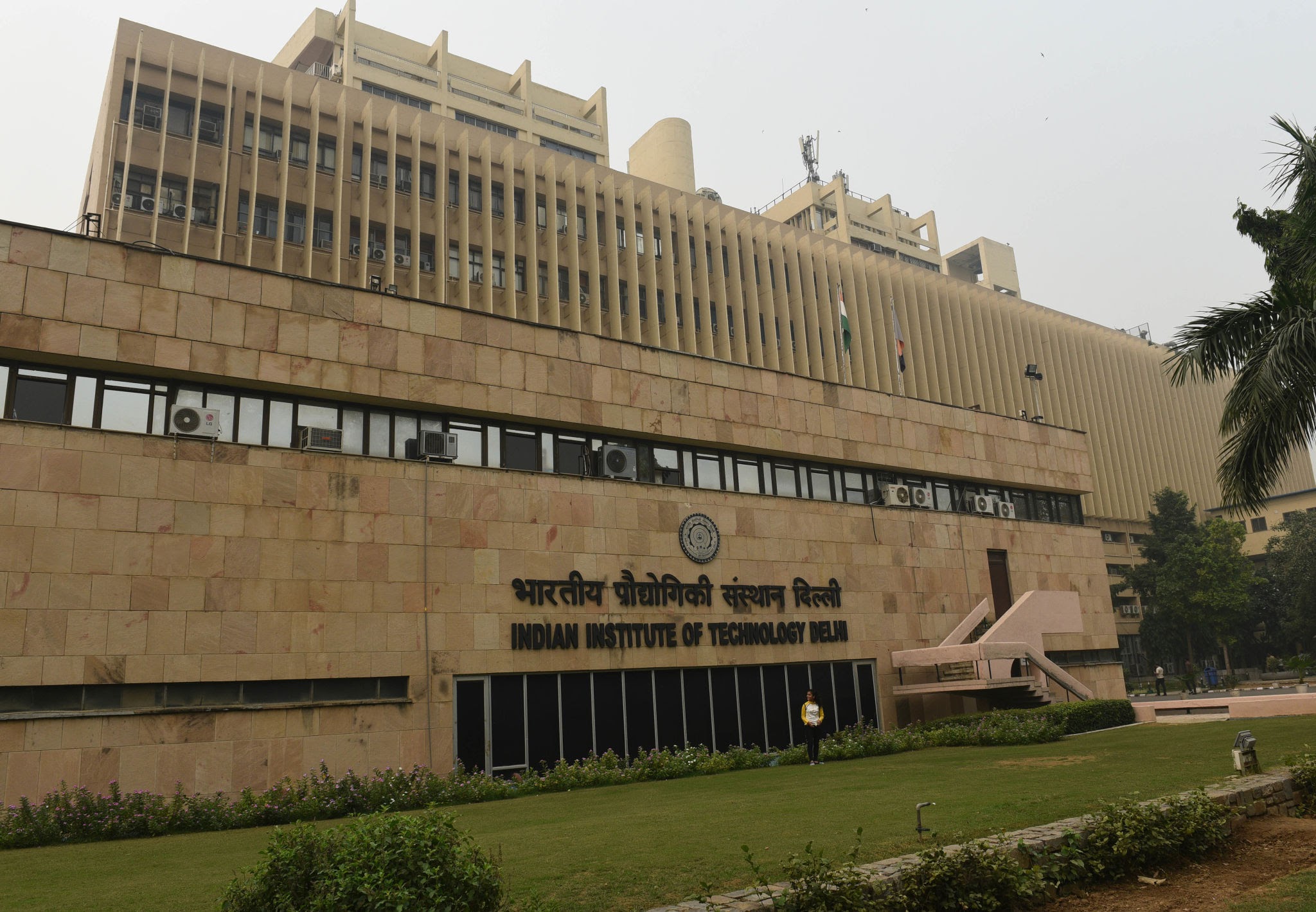
If you possess a deep curiosity about how the universe operates, fundamental research stands among the most fulfilling science careers after Class 12. Pure science graduates contribute to groundbreaking discoveries in physics, chemical structures, biological ecosystems, and planetary science.
Pursuing a Bachelor of Science (B.Sc.) or integrated Master of Science (M.Sc.) at premier academic centers like the Indian Institutes of Science Education and Research (IISER) offers direct exposure to research laboratories.
Physics Research: Explores quantum mechanics, astrophysics, material science, and renewable energy technologies.
Chemical Research: Focuses on green chemistry, advanced polymers, nano-materials, and organic synthesis.
Biological Research: Investigates cellular structures, marine ecosystems, botanical conservation, and wildlife dynamics.
6. Artificial Intelligence and Data Science: Next-Gen Science Careers
The rapid proliferation of digital data has made data science and artificial intelligence (AI) two of the highest-paid science careers after Class 12.
Organizations across finance, healthcare, entertainment, and e-commerce rely on intelligent algorithms to make critical strategic choices. A career in AI and data science involves building predictive models, designing machine learning algorithms, and interpreting vast pools of digital information.
Data Scientist: Uncovers actionable business intelligence and hidden patterns from unstructured data.
AI/Machine Learning Engineer: Builds self-learning neural networks, speech recognition software, and computer vision tools.
Cybersecurity Analyst: Secures organizational networks, cloud servers, and proprietary software against malicious digital threats.
Students interested in these domains should focus on building strong logical reasoning, algorithmic thinking, and proficiency in modern software architecture.
7. Allied Health Sciences and Paramedical Fields: Impactful Science Careers
Not all healthcare professions require an MBBS degree. Allied health sciences offer vital, stable, and fulfilling science careers after Class 12 that form the backbone of modern medical infrastructure.
B.Sc Nursing: Prepares healthcare professionals for direct patient care, clinical supervision, and intensive care operations.
B.Sc Medical Laboratory Technology (BMLT): Focuses on clinical diagnostic tests, blood analysis, pathogen identification, and lab management.
B.Sc Radiology and Imaging Technology: Trains specialists in operating advanced diagnostic machinery such as MRI, CT scanners, and X-ray systems.
B.Sc Optometry: Covers visual system testing, vision corrective therapies, and ocular health management.
These programs typically offer quick entry into the job market with excellent practical training and consistent employment growth across private and public healthcare facilities.
8. Environmental Science and Sustainability: Vital Science Careers
As global challenges like climate change, deforestation, and pollution intensify, environmental management has emerged as one of the most urgent science careers after Class 12.
Environmental scientists analyze environmental risks, evaluate industrial compliance, design waste management systems, and develop renewable energy solutions.
Environmental Officer: Ensures corporate compliance with environmental safety regulations and international protocols.
Ecologist: Studies ecosystems, biodiversity, flora-fauna interactions, and wildlife habitat conservation.
Renewable Energy Specialist: Designs sustainable energy infrastructure focused on solar, wind, and hydroelectric sources.
Educational initiatives supported by international bodies like the United Nations Environment Programme (UNEP) highlight the rising global investment and career potential in green jobs and sustainable resource management.
9. Forensic Science and Criminology: Intriguing Science Careers
For those fascinated by criminal investigations, analytical logic, and legal procedures, forensic science ranks high among exciting science careers after Class 12.
Forensic scientists analyze physical evidence collected from crime scenes to assist law enforcement agencies and judicial systems.
Forensic Toxicologist: Examines chemical substances, poisons, and drugs in biological samples.
Digital Forensics Specialist: Recovers deleted data, investigates cyber crimes, and analyzes compromised electronic storage systems.
Forensic Ballistics Expert: Analyzes firearms, ammunition marks, and bullet trajectories in criminal investigations.
Degrees like B.Sc in Forensic Science provide intensive practical training in crime scene investigation, evidence preservation, and lab analytics.
10. Agriculture and Food Technology: Essential Science Careers
Agriculture is no longer just traditional farming; it has transformed into a high-tech industry driven by biotechnology, robotics, and food processing innovations. Choosing agricultural studies is one of the most resilient science careers after Class 12.
B.Sc Agriculture: Focuses on crop genetics, soil conservation, pest management, and smart farming techniques.
B.Tech Food Technology: Covers food preservation, nutritional processing, safety standards compliance, and automated food packaging systems.
Horticulture and Forestry: Deals with plant cultivation, landscape architecture, forest ecosystem conservation, and timber management.
With global populations rising, experts in sustainable agriculture and food preservation are indispensable for ensuring long-term global food security.
11. Aviation and Commercial Flying: High-Flying Science Careers
If you dream of navigating the skies, aviation stands out as one of the most glamorous and lucrative science careers after Class 12.
Commercial Pilot Training: Requires passing ground subjects (Physics and Navigation) alongside completing mandatory flight hours at certified flying academies to earn a Commercial Pilot License (CPL).
Air Traffic Controller: Manages flight paths, airport runway operations, and communication networks to ensure safe aircraft navigation.
Avionics Specialist: Maintains radar equipment, communication devices, and navigation electronics installed in modern aircraft.
A strong grasp of physics, spatial awareness, and quick decision-making skills are crucial prerequisites for success in this sector.
12. How to Choose the Right Science Career Option After Class 12
With dozens of pathways available, selecting the perfect option among all science careers after Class 12 requires a systematic approach.
| Evaluation Factor | Key Considerations | Recommended Action |
Personal Interest | Alignment with practical work vs. theoretical research | Self-assessment quizzes & career counseling |
Academic Strengths | Comfort level in PCB vs. PCM subjects | Analyze high school performance & passion |
Career Longevity | Resistance to automation & future market growth | Industry trend reports (e.g., AI, Healthcare) |
Course Investment | Program tuition, duration, and return on investment | Research scholarship options & entrance exams |
Strategic Decision Steps:
Identify Core Aptitude: Determine whether you prefer working with living organisms (PCB focus), technological/logical systems (PCM focus), or interdisciplinary combinations.
Evaluate Higher Education Paths: Check whether target degrees require competitive entrance exams (such as engineering or medical tests) or merit-based university admissions.
Seek Mentorship: Engage with industry professionals, university alumni, and professional career counselors to gain authentic insights into day-to-day job realities.

How useful was this post?
Click on a star to rate it!
Average rating 0 / 5. Vote count: 0
No votes so far! Be the first to rate this post.