
INTRODUCTION
The critical challenge of gender-based violence, emphasizing that the worldwide campaign to eliminate violence against women reflects both the immense scale and severity of atrocities committed globally.
Rapid urbanisation, economic inequality, shifting social ethos, and changing living standards have exacerbated violent tendencies, driving a noticeable surge in crimes against women.
Effective containment of these offences is a vital social necessity to ensure that Indian women can secure their rightful equality and live with dignity, honour, freedom, and peace.
However, statutory provisions alone remain insufficient; despite numerous protective legislations, women continue to face exploitation across social domains due to systemic barriers such as legal illiteracy, lack of rights awareness, oppressive patriarchal customs, and persistent male dominance.
In simple terms, while statutory protections exist, socio-economic pressures and patriarchal structures continue to drive violence against women, making legal literacy and societal reform essential to ensuring true equality and safety.
Crimes Against Women — Legal Provisions
The formal legal definition and classification of gender-specific offenses, distinguishing general criminal acts like murder or theft under the Indian Penal Code from offenses specifically directed against women, which are legally categorized as “crimes against women“.
To effectively combat the rising tide of gender-based atrocities, the legislature has continuously introduced and amended legal safeguards, broadly organizing them into two primary categories: penal provisions under the Indian Penal Code of 1860 and specialized legislative statutes designed to eradicate deep-seated social evils and exploitation.
These special statutes target oppressive practices such as dowry harassment, immoral trafficking, indecent representation, abetment of suicide, and the practice of sati.
In simple terms, while women are protected under general criminal law, the legal system recognizes “crimes against women” as a distinct class of gender-specific offenses addressed through both specialized IPC provisions and dedicated social legislation aimed at rooting out cultural exploitation and harmful traditions.
Crimes Under Indian Penal Code, 1860
Enumerates the statutory provisions under the Indian Penal Code, 1860 specifically codified to address gender-based violence and crimes against women.
These provisions encompass non-consensual sexual assault and custodial offenses (Sections 375, 376, 376A, 376B, 376C, 376D, 376DA, 376AB, 376E, and attempt under 376/511); unlawful abduction, kidnapping, buying, and importation of girls up to 21 years of age for exploitation (Sections 363, 364A, 365–369, 366B, and 373); dowry-related homicides, attempts, and deaths (Sections 302, 304-B, and 307); physical and mental domestic cruelty by husbands or relatives (Section 498A); and violations of personal modesty, physical molestation, and public or verbal harassment/eve teasing (Sections 354 and 509).
In simple terms, the Indian Penal Code establishes a comprehensive statutory framework that penalizes the entire spectrum of crimes against women—ranging from sexual assault, domestic torture, and dowry violence to human trafficking and public harassment.
Crimes Under Special Laws
The specialized legislative statutory framework that operates alongside general penal law, noting that legal provisions safeguarding women undergo periodic reviews and amendments to address evolving social challenges and protect female interests.
This category of special legislation comprises dedicated enactments aimed at eliminating deep-rooted social practices, commercial exploitation, and domestic abuse.
These specialized statutes include the Commission of Sati (Prevention) Act, 1987; the Dowry (Prohibition) Act, 1961; the Immoral Traffic (Prevention) Act, 1956; the Indecent Representation of Women (Prohibition) Act, 1986; the historic Child Marriage Restraint (Amendment) Act, 1929 (now repealed); and the Protection of Women from Domestic Violence Act, 2005.
In simple terms, Indian law complements general criminal statutes with tailored, specialized acts that target specific social evils—such as dowry, human trafficking, derogatory media portrayals, traditional atrocities like sati, and domestic abuse—to guarantee comprehensive protection and civil-criminal remedies for women.
Reported Incidents of Crimes against Women
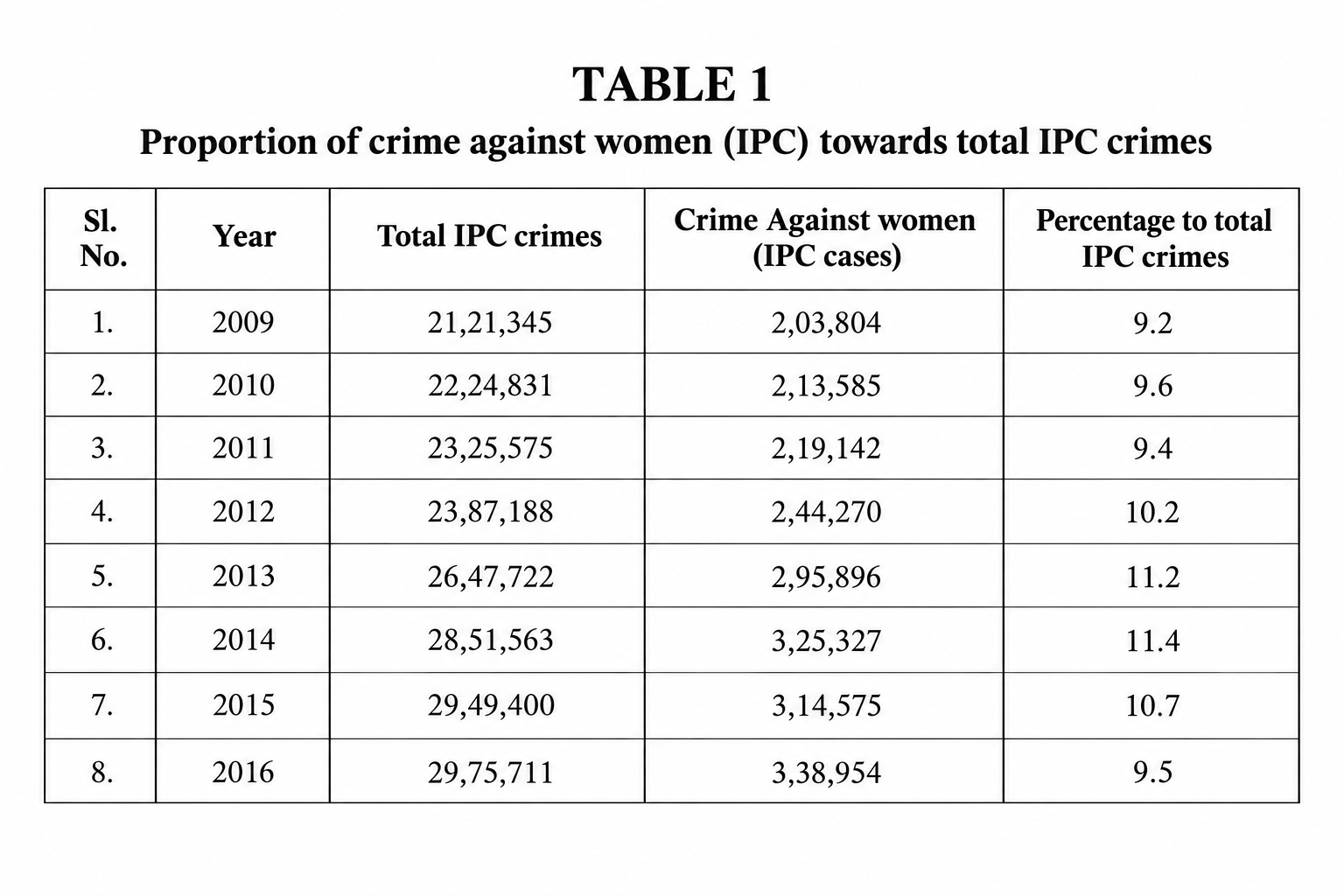
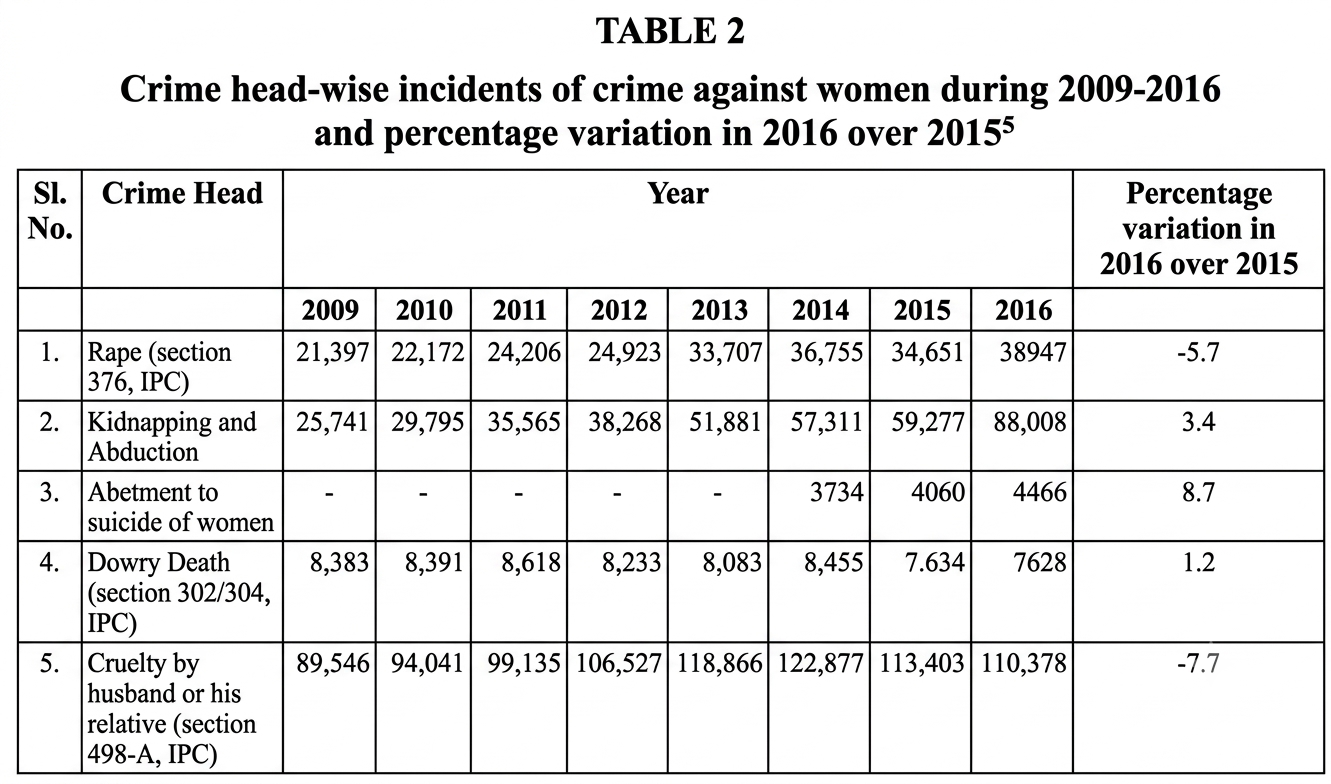
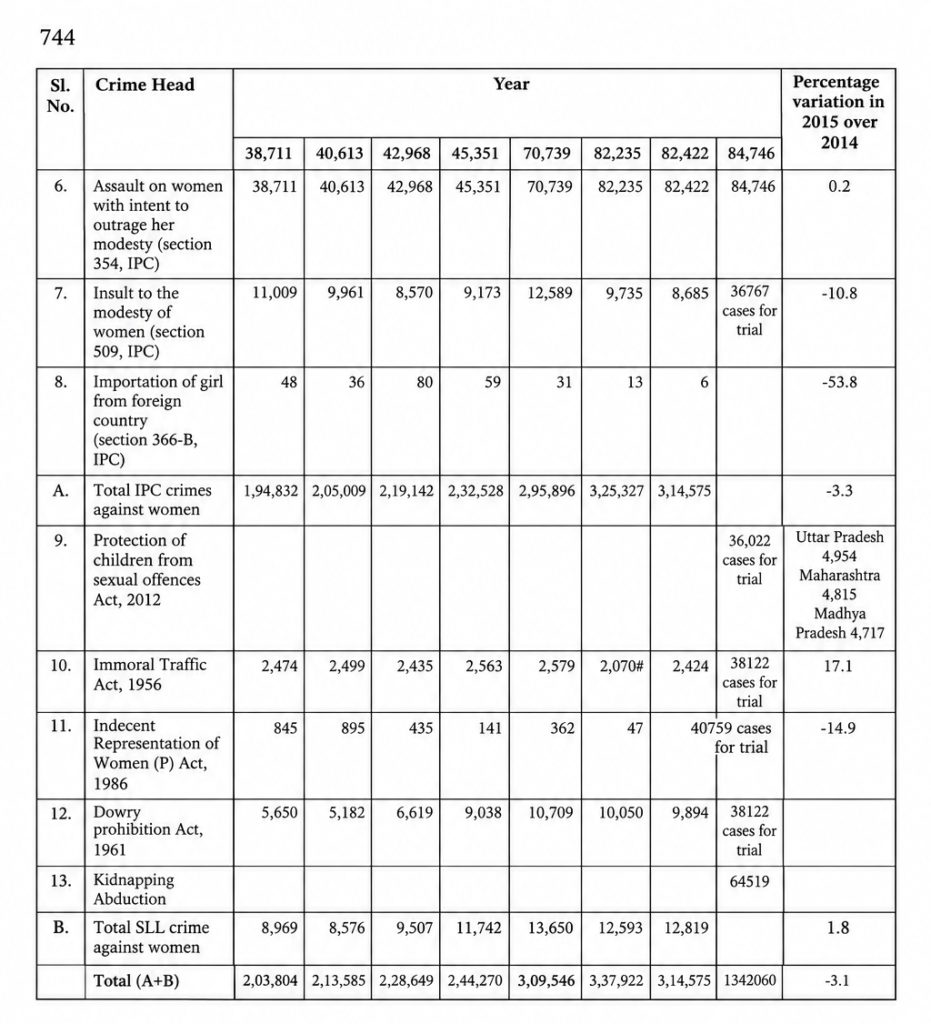
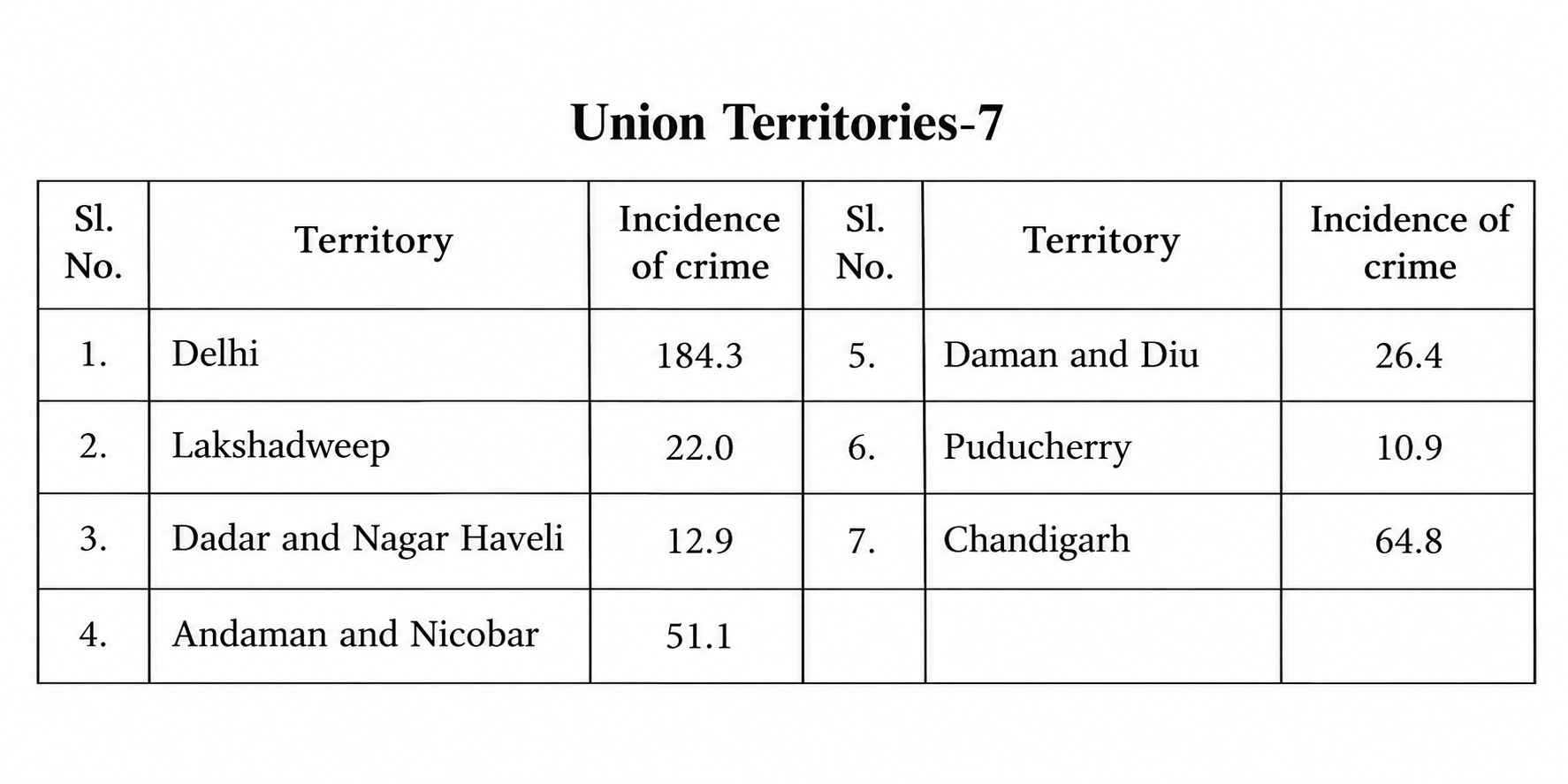
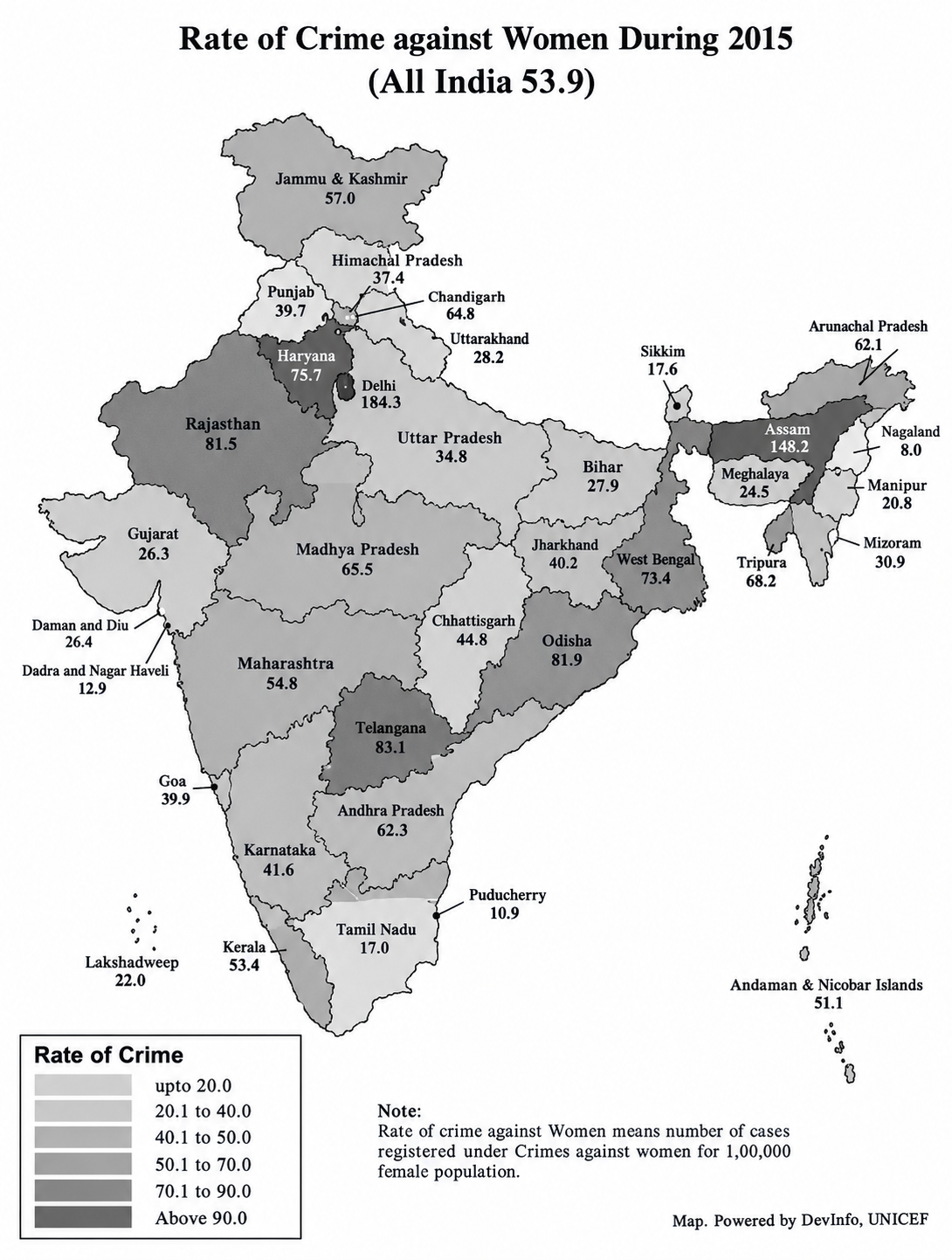
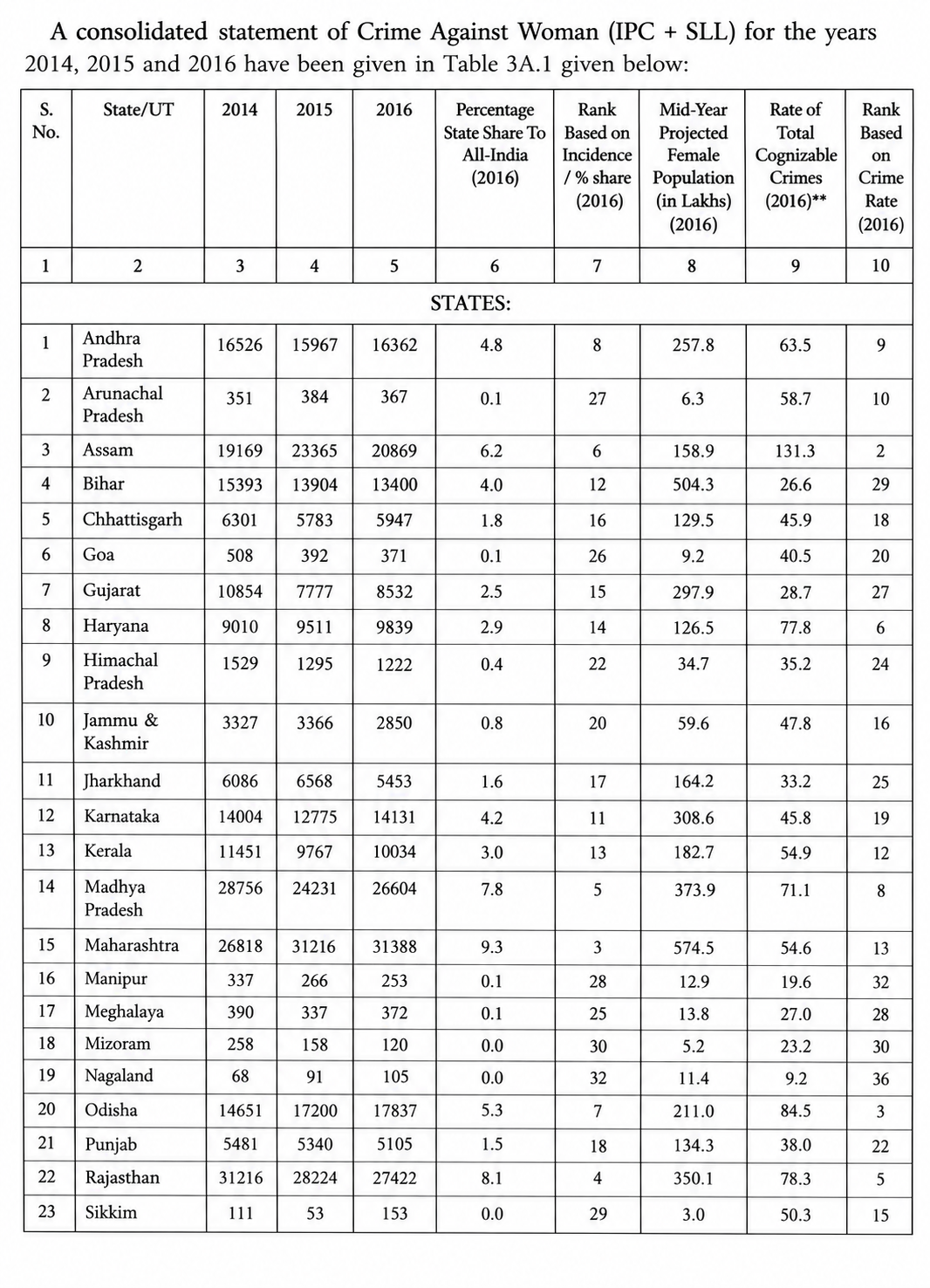
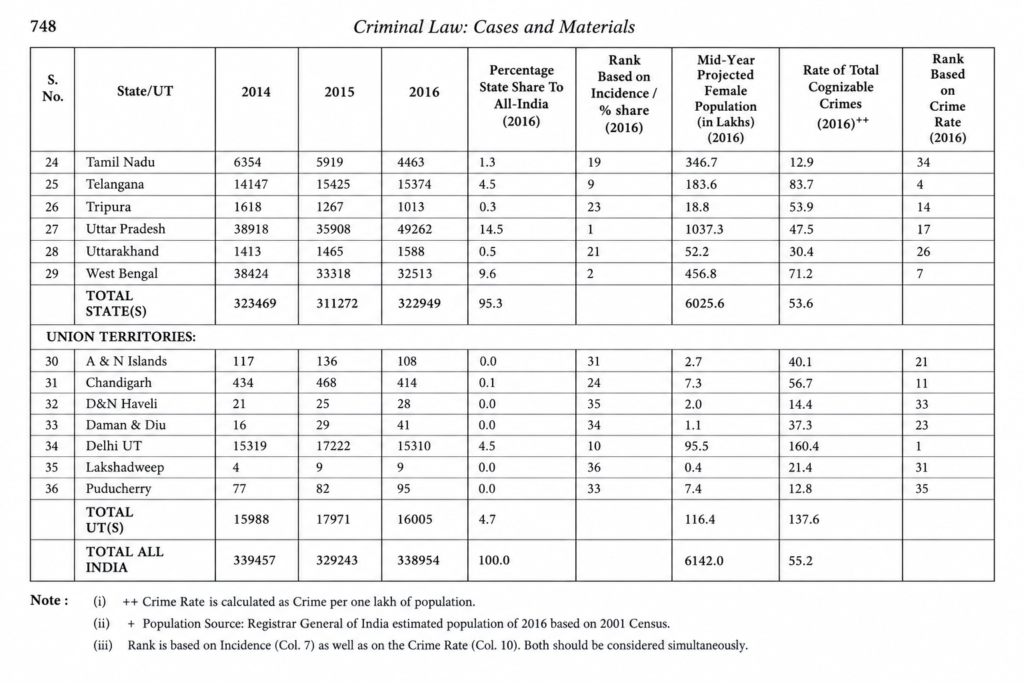
Empirical data from the National Crime Records Bureau (NCRB) to illustrate the scale and trajectory of gender-based offenses across India between 2009 and 2016.
The statistics demonstrate a notable year-on-year increase in reported crimes against women nationwide, rising from 3,37,922 cases in 2014 to 3,77,394 cases in 2015.
Furthermore, head-wise data published in Crime in India, 2016 highlights significant metropolitan concentration, with Delhi and Bangalore reporting the highest incident totals at 13,803 and 5,128 cases, respectively.
In simple terms, official NCRB data reveals a growing nationwide rise in reported crimes against women, with major urban centers like Delhi and Bangalore recording the highest overall volume of reported cases.

Sexual Harassment at Workplace
The legal framework governing sexual harassment at the workplace, establishing that workplace misconduct by supervisors or colleagues constitutes an actionable form of gender and sex discrimination.
Informed by international standards like the 1993 ILO Manila seminar, the Supreme Court of India in the landmark Vishaka judgment defined sexual harassment to include unwelcome physical advances, requests for sexual favors, sexually colored remarks, pornography, and any verbal or non-verbal conduct that interferes with work performance or creates a hostile environment.
The Court held that such misconduct directly violates the fundamental rights to equality, freedom, and life and personal liberty guaranteed under Articles 14, 19, and 21 of the Constitution.
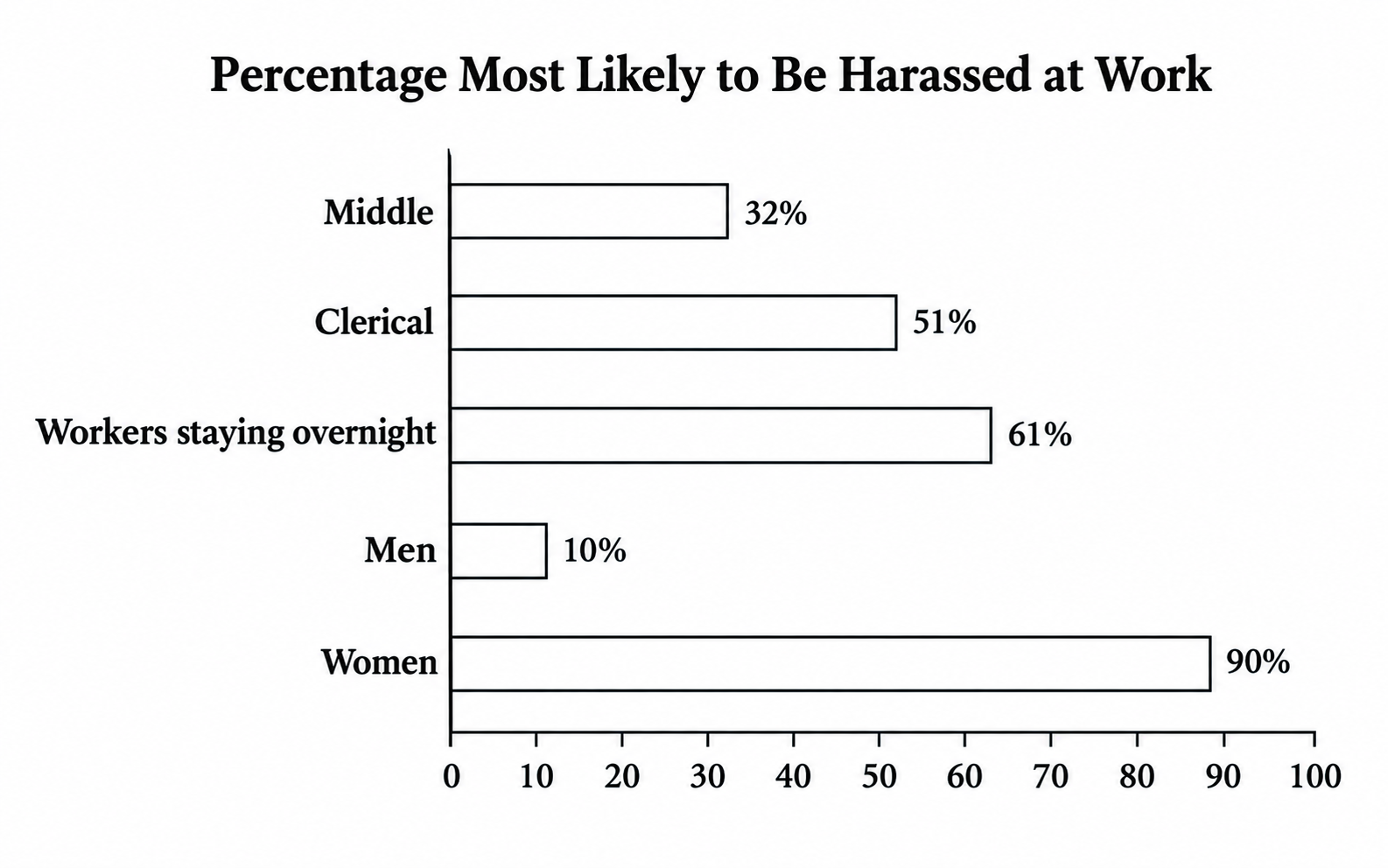
Furthermore, as rapid industrialization brings millions of women into organized and unorganized employment, surveys reveal that workplace harassment remains a pervasive threat—particularly for women traveling on official work—where individuals in superior positions frequently abuse their authority.
In simple terms, workplace sexual harassment is legally classified as a direct violation of constitutional equality and personal liberty, comprehensively defined by judicial precedent to protect the massive influx of women entering India’s modern workforce from supervisory abuse and hostile environments.
Eve Teasing Violates Women's Right to Live with Dignity
In Pawan Kumar v State of HP, the Supreme Court established that the practice of eve-teasing constitutes a direct violation of a woman’s fundamental right to live with human dignity guaranteed under Article 21 of the Constitution.
Distressed by the suicide of a young girl following continuous psychological harassment and street abuse, the Court declared that male chauvinism has no place in a civilized society and emphasized that widespread harassment across educational institutions, parks, and transit hubs demonstrates a pervasive social failure to cultivate basic respect for women.
Posing a critical question through a three-judge bench comprising Justices Dipak Misra, A.M. Khanwilkar, and M.M. Shantanagoudar, the Court re-affirmed that women in India are constitutionally entitled to live in peace and lead lives fully empowered with dignity, freedom, and protection from obnoxious public harassment.
In simple terms, the Supreme Court ruled that eve-teasing is a severe constitutional violation under Article 21 rather than a minor offense, asserting that women must be able to navigate public and educational spaces safely with guaranteed dignity and peace.
Guidelines to Curb Sexual Harassment
The institutional mechanisms established under the Supreme Court’s Vishaka directives to curb sexual harassment and ensure workplace safety in an increasingly gender-diverse economy.
Recognizing that sexual harassment demands swift, sensitive, and firm institutional responses, the Court mandated that employers and responsible workplace authorities bear a affirmative obligation to prevent and deter such conduct by establishing formal complaint mechanisms.
This framework requires corrective and preventive measures including disciplinary action, internal transfers of erring employees, and initiation of criminal prosecution where the misconduct constitutes a statutory penal offense.
Consequently, the Government of India incorporated explicit prohibitions into the Central Civil Services (Conduct) Rules, 1998 for government servants, a framework subsequently adopted across state administrations and private establishments to ensure safe, healthy, and dignified work environments.
In simple terms, the Vishaka guidelines place a mandatory duty on employers across both public and private sectors to enforce firm anti-harassment policies, set up internal grievance machinery, and enforce strict disciplinary or criminal actions against offenders.
Vishaka v State of Rajasthan
In Vishaka v State of Rajasthan, the Supreme Court of India delivered a landmark judgment establishing binding national guidelines to prevent workplace sexual harassment, triggered by a PIL filed by women’s rights activists following the brutal gang rape of a state social worker.
Authoring the judgment, Chief Justice J.S. Verma held that workplace sexual harassment directly violates fundamental rights to gender equality (Articles 14 and 15), life and personal liberty (Article 21), and the freedom to practice any trade or profession (Article 19(1)(g)).
Leveraging international conventions ratified by India, the Court filled a legislative vacuum by framing the Vishaka Guidelines, placing a positive legal duty on employers across both public and private sectors to prevent harassment, publish express prohibitions, amend service rules and standing orders under the Industrial Employment (Standing Orders) Act 1946, and ensure non-hostile work environments.
Defining sexual harassment comprehensively to include unwelcome physical advances, demands for sexual favors, sexually colored remarks, pornography display, and offensive verbal or non-verbal conduct affecting any working woman’s dignity, health, or employment status, the ruling established the legal foundation for workplace safety in India.
In simple terms, Vishaka established that workplace harassment is a direct constitutional rights violation, compelling all employers to enforce strict anti-harassment rules and complaint mechanisms to safeguard working women.
Criminal Proceedings
Clause 4 of the Vishaka Guidelines governs criminal proceedings and interim victim safeguards, mandating that whenever workplace sexual harassment constitutes a specific offense under the Indian Penal Code, 1860 or other statutory laws, the employer is legally obligated to initiate criminal action by filing a formal complaint with the appropriate law enforcement authorities.
Furthermore, employers are under a positive legal duty to guarantee that neither victims nor witnesses face victimization, hostility, or professional discrimination while the complaint is being processed.
To ensure immediate personal safety and a non-hostile work environment during investigation, the guidelines afford victims the explicit option to demand either the transfer of the alleged perpetrator or their own transfer to another department or office location.
In simple terms, when workplace harassment constitutes a criminal act, employers must report the matter to law enforcement, protect victims and witnesses from workplace retaliation, and grant victims the right to transfer themselves or their abuser to restore immediate safety.
Disciplinary Action
Clause 5 of the Vishaka Guidelines establishes the framework for internal employer accountability, mandating that whenever acts of sexual harassment constitute employment misconduct under applicable service regulations, the employer must initiate formal disciplinary proceedings in accordance with those established rules.
This mechanism operates alongside criminal prosecution to ensure that perpetrators face internal departmental consequences—such as suspension, demotion, termination, or other service penalties—for violating workplace standards.
In simple terms, employers are legally required to treat sexual harassment as employment misconduct and take formal disciplinary action against offenders according to their internal service rules.
Complaint Mechanism
Clause 6 of the Vishaka Guidelines establishes the imperative for an institutional grievance system, mandating that every employer create a dedicated internal complaint mechanism to address grievances raised by victims of sexual harassment, irrespective of whether the alleged conduct constitutes a criminal offense under statutory law or a breach of internal service rules.
Designed to provide accessible and accountable workplace redressal, this mechanism is required to process and resolve all complaints in a time-bound manner to prevent procedural delays and protect victims from prolonged hardship.
In simple terms, employers must establish a formal, dedicated internal committee or mechanism to investigate sexual harassment claims promptly and within a strict timeframe, regardless of separate criminal or departmental proceedings.
Complaints Committee
Clause 7 of the Vishaka Guidelines dictates the composition, operational safeguards, and external accountability structures of the Complaints Committee within an organization.
To ensure an empathetic, impartial, and confidential inquiry process, the guidelines mandate that the Complaints Committee must be headed by a woman, maintain at least 50% female representation among its members, and offer support services such as specialized counseling.
Furthermore, to mitigate institutional bias and safeguard the committee from undue pressure or interference by senior management, the guidelines explicitly require the inclusion of an independent third-party member, such as a representative from an NGO or an external body knowledgeable in sexual harassment issues.
Finally, the committee is legally obligated to maintain regulatory compliance and institutional transparency by submitting an annual report detailing all filed complaints and corrective actions to the designated government department.
In simple terms, the Complaints Committee must be woman-led, female-majority, include an independent external member to prevent internal workplace bias, and submit annual compliance reports to government authorities.
Workers' Initiative
Clause 8 of the Vishaka Guidelines mandates worker participation and proactive managerial dialogue regarding workplace safety, stipulating that employees must be permitted to raise concerns surrounding sexual harassment during workers’ assemblies and relevant institutional forums.
Furthermore, the directive obligates management to affirmatively discuss these matters within joint employer-employee meetings to foster transparency and collective responsibility.
In simple terms, workers have the legal right to openly discuss sexual harassment at staff meetings, and employers must actively engage with these concerns in joint workplace discussions.
Awareness
Clause 9 of the Vishaka Guidelines mandates the proactive dissemination of legal literacy, requiring employers to generate widespread awareness of the rights of female employees regarding workplace sexual harassment, specifically by prominently notifying and displaying the guidelines across the institution.
This directive ensures that protective mechanisms are not merely formal administrative rules but actively communicated rights, compelling organizations to maintain visible notices and clear policy disclosures so that all female workers understand their constitutional entitlements and available redressal channels.
In simple terms, employers must prominently display and notify anti-harassment guidelines throughout the workplace so that female employees are fully aware of their legal rights and remedies.
Third Party Harassment
Clause 10 of the Vishaka Guidelines addresses third-party liability and establishes the universal binding authority of the judicial framework, mandating that when sexual harassment occurs due to an act or omission by an outsider, vendor, client, or non-employee, the employer and person in charge must take all necessary and reasonable steps to support the affected woman and implement preventive measures.
The Supreme Court ordered that these norms and guidelines must be strictly observed across all public and private sector workplaces to preserve and enforce the fundamental right to gender equality for working women.
In simple terms, employers are legally required to assist and protect female employees even when the harassment comes from external third parties like clients or contractors, and this rule applies strictly to every public and private workplace in India.
Apparel Export Promotion Council v. A.K. Chopra
In Apparel Export Promotion Council v. A.K. Chopra, the Supreme Court of India delivered a landmark judgment reinforcing the Vishaka principles by holding that an officer who uses a superior workplace position to subject a junior female employee to sexual harassment—whether through completed molestation or an attempted advance—violates her constitutional rights to gender equality, dignity, and life under Articles 14, 15, and 21.
Overruling the Delhi High Court’s order that had reinstated the officer on the hyper-technical ground that he only “tried to molest” the victim, the Apex Court declared that reducing disciplinary penalties in workplace harassment cases defies realistic understanding, demoralizes female workers, and undermines institutional integrity, thereby fully upholding his immediate dismissal from service.
While legal commentators occasionally debate whether reformative penalties like demotion could balance justice where an offender shows remorse, empirical data highlights the necessity of strict judicial deterrence.
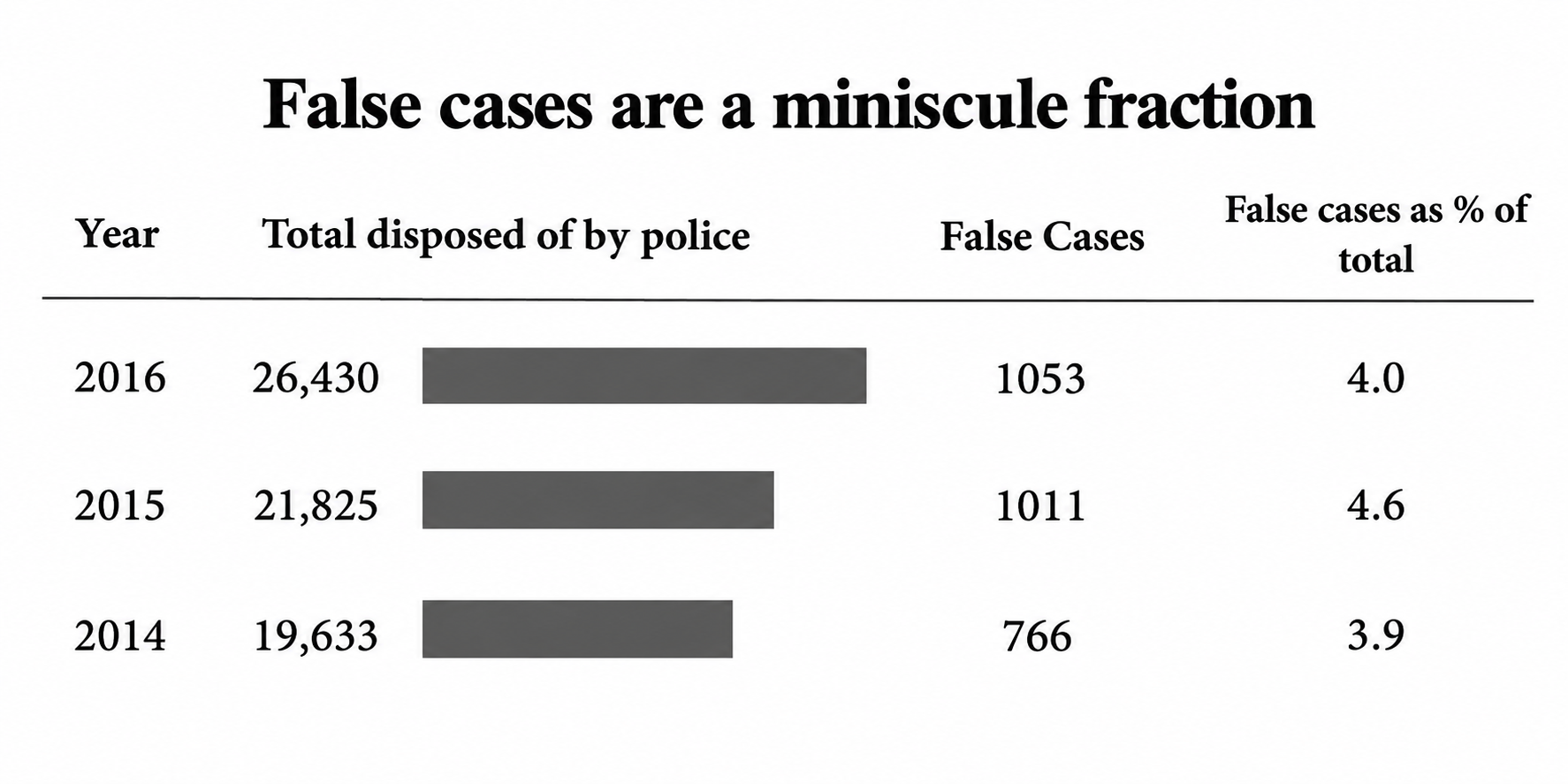
Official statistics—including NCRB data recording over 27,000 cases in 2016 and police findings confirming that false reporting accounts for only 4% of cases—demonstrate that 90% of reported workplace and public harassment claims are true, proving that firm judicial enforcement is essential to combat widespread underreporting, overcome societal stigma, and guarantee gender equality in the workforce.
United States Supreme Court on Sexual Harassment
The evolution of international jurisprudence under Title VII of the US Civil Rights Act of 1964, specifically highlighting the landmark United States Supreme Court decisions in Burlington Industries Inc. v. Ellerth and Faragher v. City of Boca Raton, which definitively established employer liability for workplace sexual harassment.
The Court ruled that employers are vicariously liable for supervisory sexual misconduct regardless of whether management had prior knowledge of the acts or whether the employee suffered tangible job consequences for resisting unwelcome advances.
Furthermore, this doctrine extends legal liability to both negligent and intentional torts committed by employees within their scope of employment, while companion rulings like Davis v. Monroe County Board of Education establish that educational institutions face private civil damage claims for failing to address harassment.
In simple terms, these US Supreme Court precedents establish strict employer accountability, ensuring organizations and schools cannot escape legal liability for supervisory harassment or scope-of-employment misconduct by claiming ignorance.
Davis v. Monroe County Board of Education
In Davis v. Monroe County Board of Education, the United States Supreme Court established that educational institutions receiving federal funds can be held liable for monetary damages under Title IX of the Education Amendments of 1972 for student-on-student (peer) sexual harassment.
Authoring the opinion, Justice Sandra Day O’Connor addressed a suit brought by a mother whose fifth-grade daughter suffered persistent physical and verbal sexual abuse by a classmate—a situation reported repeatedly to teachers and the principal without any disciplinary intervention being taken.
Overruling the District Court and the 11th Circuit Court of Appeals, which had held that schools are immune from peer harassment claims unless staff actively participated in the conduct, the Supreme Court held that a private right of action exists whenever a funding recipient displays deliberate indifference to known acts of peer harassment that are so severe, pervasive, and objectively offensive as to deprive the victim of equal access to educational opportunities.
In simple terms, Davis established that school boards cannot ignore severe student-on-student sexual harassment, holding institutions legally and financially accountable under Title IX if deliberate inaction deprives a student of a safe learning environment.
France
Under French legal statutes (Article 222-33 of the French Criminal Code), sexual harassment laws are completely gender-neutral, protecting both men and women regardless of who commits the offense.
The law categorizes harassment into distinct severity levels: basic harassment aimed at extracting sexual favors carries a penalty of one year’s imprisonment and a €15,000 fine.
However, repeated unwanted sexual behavior (verbal or physical) that harms a person’s dignity, creates a hostile work/living environment, or involves intense pressure to demand sexual favors—even if occurring only once—carries an escalated punishment of up to two years in prison and a €30,000 fine.
Male Sexual Harassment
The issue of male sexual harassment and the misuse of penal laws, noting an increasing occurrence of false rape allegations following consensual relationships, broken marriage promises, or monetary extortion schemes.
Addressing systemic procedural vulnerabilities where police historically executed immediate arrests prior to verifying the accused’s defense, the Supreme Court of India has cautioned prosecuting and investigative agencies to proceed with due diligence, preliminary inquiry, and caution before taking coercive action in harassment complaints.
In simple terms, this section discusses how men can also be targets of harassment and false legal claims, highlighting Supreme Court directives that instruct law enforcement to investigate complaints carefully before making hasty arrests.