
R v A
In the case of R v A, the English court evaluated a conviction under section 2(1)(b) of the Child Abduction Act 1984 where a 15-year-old girl left her Cambridgeshire home and spent nine days living in a car in London with the adult appellant.
The appellant appealed the conviction on the grounds that he had not “taken” the girl because she willingly wanted to accompany him, but the court rejected this argument, establishing that an accused person’s actions do not need to be the sole catalyst for the departure; it is sufficient if their actions act as an effective cause that complements the child’s state of mind.
Upholding a two-year prison sentence for isolating the minor away from her family, the court dismissed the appeal, reflecting a strict legal stance on protecting minors that contrasts with certain traditional interpretations where a minor’s voluntary self-initiation might negate criminal responsibility.
Anversinh @ Kiransinh Fatesinh Zala v State of Gujarat
In Anversinh @ Kiransinh Fatesinh Zala v State of Gujarat, Justice Surya Kant reviewed an appeal where the High Court had earlier set aside the appellant’s rape conviction under Section 376 IPC due to evidence of a mutual relationship between the accused and the 16-year-old prosecutrix, while maintaining his convictions for kidnapping under Sections 363 and 366 IPC.
Although the Apex Court confirmed that the prosecution had successfully proven the appellant’s guilt under those sections beyond a reasonable doubt, it adopted a pragmatic approach regarding the sentence, finding the awarded five-year rigorous imprisonment disproportionate to the unique facts of the case.
The Supreme Court balanced the principles of deterrence and correction by reducing his sentence to the period of incarceration he had already undergone, thereby partly allowing the appeal and setting him free, a framework operating alongside related statutory provisions like Sections 364 and 365 IPC, which prescribe severe penalties extending up to life imprisonment or seven years for kidnappings tied to homicidal intent or secret wrongful confinement.
Somasundram @ Somu v State of Tamil Nadu, Rep. by the Deputy Commissioner of Police
In the landmark case of Somasundram @ Somu v State of Tamil Nadu, Justice K.M. Joseph addressed six appeals arising from the conviction of multiple accused individuals involved in the meticulously planned kidnapping, extortion, and murder of M.K. Balan, an ex-MLA who went missing during his morning walk on December 30, 2001.
The evidence established that a criminal conspiracy was hatched by A1, A2, and A3 to abduct the victim for ransom, detain him at a factory, and murder him on January 1, 2002, by strangulation, supported by the testimony of 67 witnesses leading to convictions under Sections 120B, 302, 364, 365, 387, 347, and 201 IPC for offenses ranging from conspiracy and murder to wrongful confinement and fabricating false medical evidence.
Upholding these findings and dismissing the appeals, the Supreme Court ruled that all participating accused were unquestionably guilty of executing the heinous plot, reinforcing strict statutory deterrents against organized abduction and murder such as those outlined under Sections 363 and 364A IPC.
Shaik Ahmed v State of Telangana
In Shaik Ahmed v State of Telangana, Justice Ashok Bhushan reviewed an appeal challenging a conviction and life sentence under Section 364A IPC, involving an auto driver who abducted a schoolboy named Prateek Gupta, detained him, and demanded a ransom of Rs. 2 lakhs from his father before being trapped and arrested by police in mufti.
Upon evaluating the statutory provisions of Section 364A IPC, the Supreme Court clarified that a conviction requires establishing the initial kidnapping or detention coupled with explicit threats of harm or actions intended to compel ransom, and because the cumulative legal thresholds required for a full Section 364A conviction were not entirely satisfied under the strict conjunctive wording of the statute, the Apex Court partly allowed the appeal.
Consequently, the Supreme Court modified the judgment and reducing the appellant’s sentence to seven years of imprisonment alongside a fine.
Sonu v State of Haryana
In Sonu v State of Haryana, Justice L. Nageswara Rao reviewed an appeal filed against the concurrent confirmation of life sentences handed down to appellants convicted of the abduction, extortion, and murder of Ramesh Jain.
The prosecution successfully proved a strong motive stemming from a land dispute, established the “last seen together” timeline through unshakeable oral evidence, and corroborated the crime via medical findings of strangulation, recovery of bloodstained clothing, and continuous mobile communication among the co-conspirators.
Addressing technical evidentiary challenges, the Apex Court held that objections concerning the certification of Call Detail Records under Section 65B of the Evidence Act pertain to the mode of proof and cannot be permitted at the appellate stage to unhinge cases that have already reached finality, thereby dismissing the appeals and upholding the conviction.
Kishore Bhadke v State of Maharashtra
In Kishore Bhadke v State of Maharashtra, Justice AM Khanwilkar evaluated appeals filed by Accused Nos. 1, 3, and 6 against their concurrent convictions and life sentences under Sections 364, 302, and 201 read with Sections 34 and 120B of the Indian Penal Code for the kidnapping, murder, and disposal of the deceased, Raman.
The prosecution built a comprehensive circumstantial chain establishing that the accused were last seen leaving a temple with the victim, whose body was subsequently recovered in a neighbouring state, identified via DNA testing, and linked through disclosures regarding a gold ring and the loading of a gunny bag.
Rejecting technical pleas regarding unsigned recovery memos and individual disclosure variations, the Supreme Court held that the meticulous execution of the conspiracy conclusively proved the active involvement of the appellants, leading to the dismissal of the appeals and the confirmation of their life sentences.
Charandas Swami v State of Gujarat
In Charandas Swami v State of Gujarat, Justice AM Khanwilkar evaluated appeals filed by accused No. 1, No. 2, and No. 5 against the Gujarat High Court’s judgment, which had commuted their death sentences to life imprisonment for the abduction, premeditated murder, and disposal of Gadadharanandji.
The prosecution established that the victim was kidnapped from the Vadtal Temple complex, strangled, and transported to Rajasthan, where his body was burned in a ditch, and the Supreme Court noted that the identity of the deceased was conclusively proven beyond doubt through rigorous scientific verification, including DNA profiling and corroborative dental evidence.
Because the circumstantial chain of events was completely unbroken and firmly established the guilt of the co-conspirators, the Apex Court dismissed the appeals and upheld the concurrent convictions and life sentences.
8.13 Kidnapping for ransom
Section 364A of the Indian Penal Code, enacted in 1993 to combat rising militancy, explicitly penalizes anyone who kidnaps, abducts, or detains a person and threatens them with death or injury—or inflicts harm—to compel a government, foreign state, international organization, or private individual to pay a ransom or perform/abstain from any act, and because of its grave nature, the offense is cognizable, non-bailable, triable by a court of sessions, and punishable by death or life imprisonment alongside a fine.
To further dismantle such criminal syndicates, Section 39(1)(va) of the Criminal Procedure Code imposes a strict legal duty on citizens to report any knowledge of kidnapping for ransom to authorities, failing which they face punishment under Section 176 IPC.
Judicial interpretation highlights that when victims are held captive through calculated logistical planning, the mere establishment of a ransom demand via communication records fulfills the legal criteria under Section 364A, rendering the actual transfer of money legally irrelevant.
Birbal Choudhary alias Mukhiya Jee v State of Bihar
In Birbal Choudhary alias Mukhiya Jee v State of Bihar, Justice AK Sikri examined appeals arising from the abduction of three individuals for ransom, where the trial court’s initial death sentences for two appellants were commuted to 20-year prison terms by the High Court.
Dismissing the appeals, the Supreme Court detailed the distinctions between constructive criminal liability under Section 34 and Section 149, establishing that substituting one for the other is permissible if it causes no prejudice.
Furthermore, the court emphasized that under Section 368 IPC, anyone who knowingly conceals or confines a kidnapped person faces legal consequences equivalent to those under Section 364A IPC, thereby upholding the concurrent convictions and sentences.
Shyam Babu v State of Haryana
In Shyam Babu v State of Haryana, Justice VS Sirpurkar reviewed an appeal filed by accused Nos. 1, 3, 4, and 5 against the concurrent rulings of the lower courts, which had convicted them under Sections 364A, 325, 323, 384, and 342 read with Section 120B of the Indian Penal Code for abducting a four-and-a-half-year-old boy from his home for ransom.
Following the successful recovery of the child from a sugarcane field, the High Court and subsequently the Supreme Court verified that the prosecution had established every element of the crime beyond a shadow of a doubt.
Finding no merit in the arguments presented by the appellants, the Supreme Court dismissed the appeal, affirmed the life imprisonment sentences, and underscored that minor discrepancies cannot overshadow the gravity of child abduction for ransom.
Vinod Kumar v State of Haryana
In Vinod Kumar v State of Haryana, Justice Dipak Misra presided over an appeal concerning the abduction of a three-and-a-half-year-old child by an accused acting in connivance with a domestic help.
After demanding a ransom through a letter and being tracked down with the safely recovered child, the accused offered no plausible explanation for the custody.
Rejecting the plea that the ransom demand was executed under pressure, the Supreme Court affirmed the concurrent findings of the lower courts and upheld the conviction under Section 364A of the Indian Penal Code.
Abdul Karim v State of Karnataka.
In Abdul Karim v State of Karnataka, the Supreme Court addressed the fallout from the high-profile July 30, 2000 abduction of film star Raj Kumar and three others by the notorious sandalwood smuggler Veerappan, an incident that pressured state governments into conceding to illegal demands.
Approached by the father of a slain police officer, the Supreme Court ruled that the trial court’s consent for withdrawal was bad in law because under Section 321 CrPC, a public prosecutor must act independently and in good faith to serve public interest without subverting justice.
Emphasizing that governments must never yield to terrorist pressure tactics, the Supreme Court delivered a landmark judgment that successfully prevented the state from granting absolute immunity to criminals and reinforced the sanctity of democratic governance.
Vinod v State of Haryana
In Vinod v State of Haryana, presided over by Justice Dr Arijit Pasayat, the Supreme Court evaluated the conviction of ten individuals involved in the May 29, 1996 abduction of 9-year-old Amit Kumar for a ransom of ten lakh rupees.
Following an extensive search that resulted in the arrest of nine accused persons and the recovery of marked currency notes, the High Court and subsequently the Supreme Court upheld their convictions and life imprisonment sentences under Section 364A of the Indian Penal Code.
In dismissing the appeal, the Apex Court underscored that given the alarming rise in child abductions for ransom, the legislature intentionally mandated stringent penalties under Section 364A, applying them strictly regardless of whether the victim suffers physical death or harm.
Akram Khan v State of WB
In Akram Khan v State of WB, Justices P. Sathasivam and Chelameswar presided over an appeal filed by Akram Khan, Afzal Khan, Md Zakir, and Md Kalim challenging their convictions under Sections 364A and 120B read with Section 34 of the IPC, which had resulted in life imprisonment and fines for kidnapping a minor boy named Vicky Prasad Rajak for a ransom of three lakh rupees on Bakrid day.
In evaluating the case, the Supreme Court firmly rejected the appellants’ plea for leniency, endorsing its previous stances in landmark cases to stress that the alarming surge in child abductions for ransom warrants uncompromising, stringent punishment.
The bench concluded that there is no room for judicial mercy and requiring such grave offenses to be handled in the harshest possible manner.
8.14 Trafficking and Exploitation of a Trafficking Person
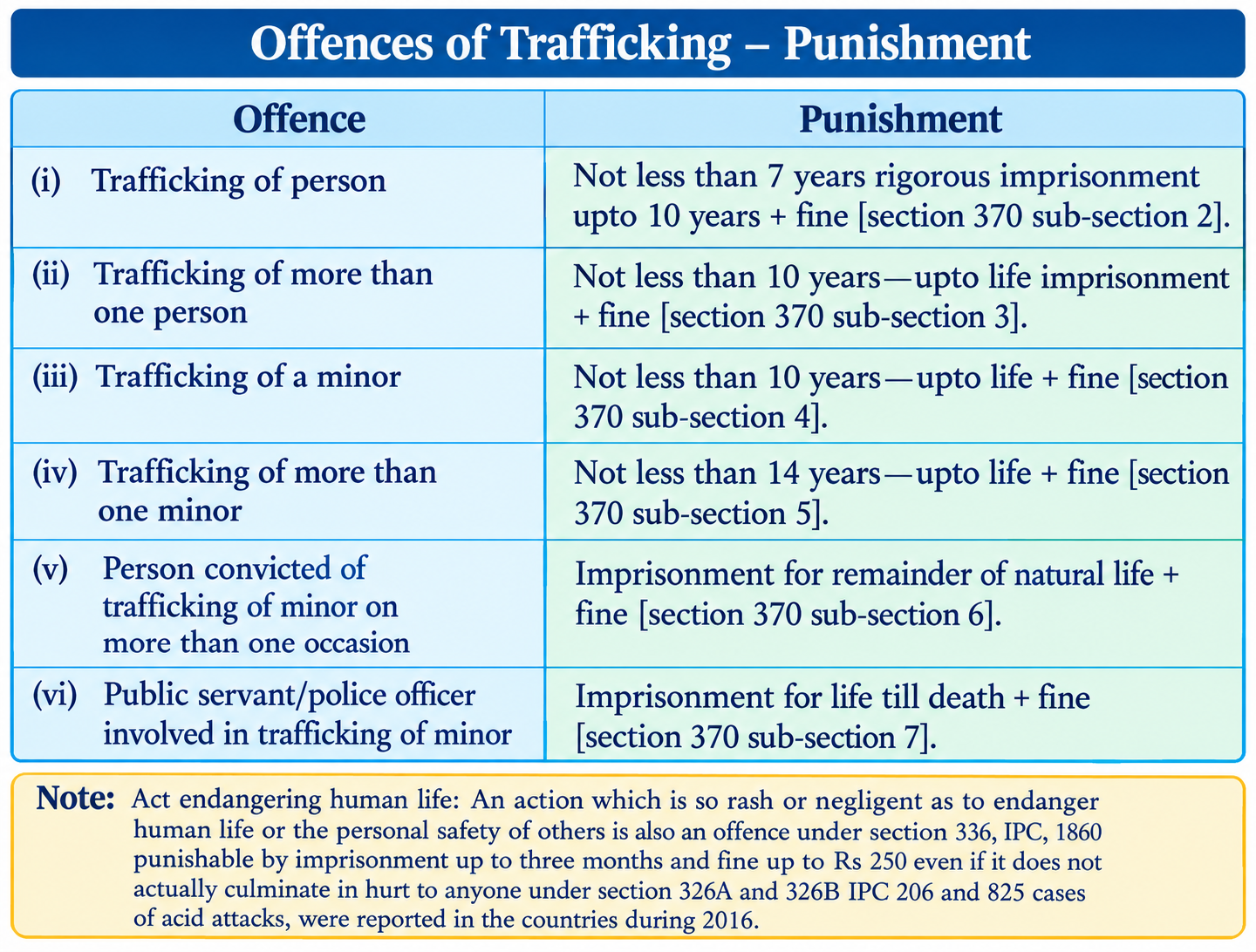
Sections 370 and 370A of the Indian Penal Code, as substituted by the Criminal Law (Amendment) Act of 2013, comprehensively penalize the recruitment, transport, harbouring, transfer, or receipt of persons through force, fraud, coercion, or abuse of power for the purpose of exploitation, while firmly establishing that a victim’s consent is entirely immaterial.
It prescribes rigorous prison terms ranging from 7 years to life imprisonment—with the strictest punishments reserved for repeat offenders, trafficking of minors, multiple victims, and complicit public servants or police officers.
Furthermore, Section 370A punishes those who knowingly engage trafficked persons or minors in sexual exploitation, while Sections 371 through 374 reinforce constitutional safeguards under Article 21 by suppressing slavery, the trade of minors for prostitution, and unlawful compulsory labour.
State of Gujarat v High Court of Gujarat
In State of Gujarat v High Court of Gujarat, Justice KT Thomas addressed whether denying prisoners minimum wages for hard labour performed under rigorous imprisonment constitutes a violation of Article 23 of the Constitution against forced labour.
Setting aside lower court rulings, the Apex Court held that court-mandated hard labour during imprisonment does not equate to “begar” or unlawful forced labour, and that wages are strictly governed by the Prisons Act rather than constitutional mandates.
Ultimately, the Court emphasized that while prison reforms and welfare payments are permissible, the legal system must ensure that the punitive and deterrent objective of criminal punishment is preserved, dismissing the notion that prisons should strip punishment of its consequence.
8.16 Sexual Offences
On September 6, 2018, a five-judge Supreme Court bench headed by Chief Justice Dipak Misra delivered a historic unanimous verdict in Navtej Singh Johar v. UOI, decriminalizing consensual homosexual and lesbian adult relationships under Section 377 IPC by grounding personal liberty and privacy in Articles 14 and 21 of the Constitution, while retaining penalties for bestiality.
Alongside global comparisons—such as English law’s gender-neutral expansion of rape under the Sexual Offences Act 2003 and American rulings restricting the death penalty for non-homicidal crimes—Indian criminal policy carefully balances constitutional rights with severe deterrence.
Specifically, while comparative law questions capital punishment as cruel and unusual, the Indian legislature enacted the Criminal Law Amendment Act 2018 to mandate the death penalty or imprisonment for the remainder of natural life for individuals convicted of raping a child under 12 years of age.
8.17 Rape and the Law
The evolution of rape laws in India has been driven by the persistent inadequacy of archaic legal frameworks and fueled by widespread public outrage over horrific crimes against women, making the brutal gang rape of Nirbhaya in New Delhi on December 16, 2012 a watershed moment that sparked massive countrywide demonstrations directly necessitating the landmark Criminal Law (Amendment) Act of 2013.
Empirical data underscores the gravity of the issue, with National Crime Records Bureau statistics highlighting that major urban centers like Delhi, Mumbai, and Bengaluru—alongside states like Madhya Pradesh, Maharashtra, and Rajasthan—recorded thousands of cases, with Delhi alone seeing a 10% rise in 2016.
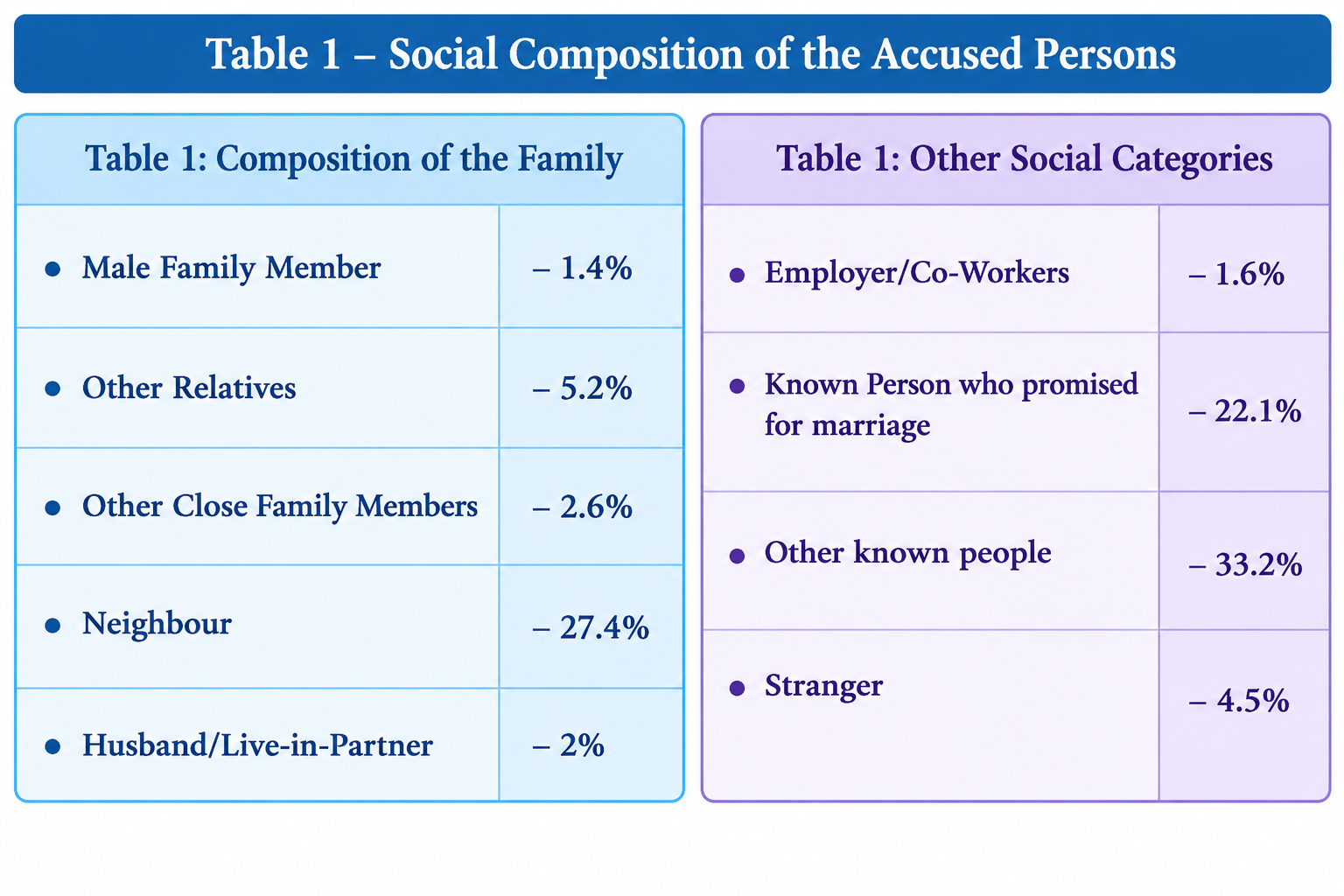
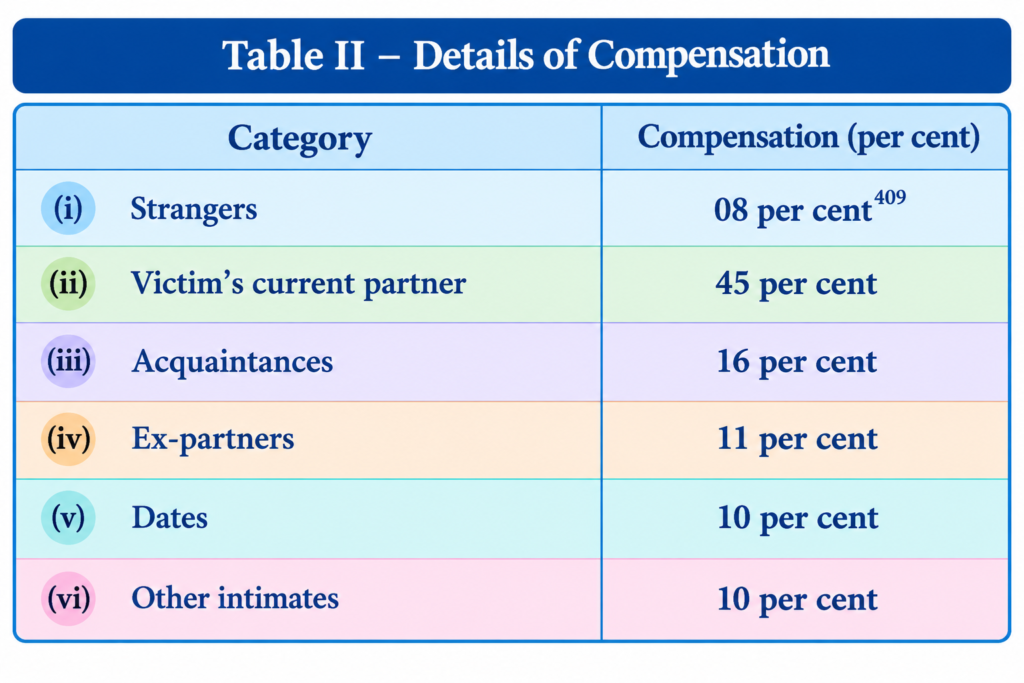
Furthermore, criminological insights reveal that sexual offenses are predominantly committed by individuals known to the victim through acquaintance or family ties rather than strangers, highlighting deep-seated systemic vulnerabilities that continue to demand robust legislative and social intervention.
8.17.1 Incidence of Crime Against Women
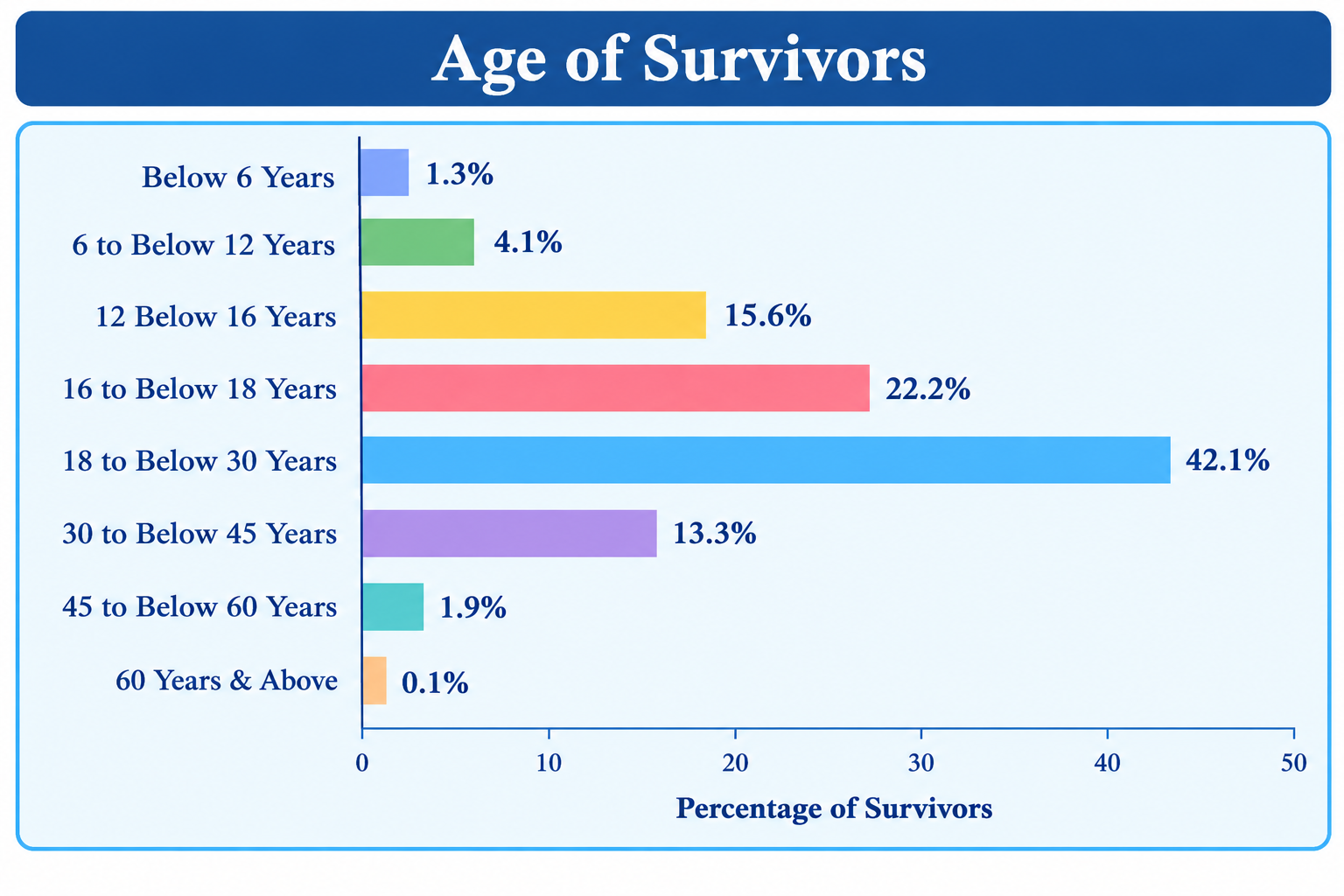
The data concerning the incidence of crimes against women underscores a pervasive and alarming public safety crisis across India, noting that out of 34,651 reported rape cases in 2015, the vast majority affected young demographics—specifically 19,000 victims aged 18 to 30 and 8,000 victims aged 16 to 18.
Broadly, overall crimes against women experienced a 1.3% increase in 2016 with 3,38,954 reported incidents compared to 3,27,394 in 2015, following years of fluctuating high numbers from 2011 onward.
Regionally, states like Uttar Pradesh, West Bengal, Madhya Pradesh, Maharashtra, and Rajasthan register the highest absolute volumes of criminal cases and rape incidents, while the Union Territory of Delhi records a disproportionately high crime rate of 23.7 against a national average of 5.7.
Incest rape: Incidence: 557 Victim 561
In 2015, incest rape cases witnessed a 17.4% decline to 557 cases involving 561 victims, with children below the age of 18 constituting 54.5% of these incest victims.
When examining the broader spectrum of 34,651 total rape cases in 2015, offenders were known to the victim in a staggering 95.5% of cases.
This included 891 violations by close family members, 1,788 by other relatives, 9,508 by neighbors, and 557 by employers or co-workers, whereas stranger assaults remained comparatively rare and localized primarily to states like Odisha and West Bengal.
Custodial Rape Incidence: 95
Custodial rape represents a profound and unconscionable betrayal of institutional trust, describing cases of sexual assault committed against individuals held within official environments such as police custody, hospitals, or judicial facilities, with official data for 2015 demonstrating that out of 34,651 total registered rape cases across the country, 95 incidents were classified as custodial rapes.
The geographic distribution of these offenses reveals a stark concentration of institutional failure, with Uttar Pradesh recording the highest number at 91 cases—comprising 4 gang rapes and 87 other custodial rapes—while Uttarakhand reported 2 cases, and Andhra Pradesh and West Bengal each logged a single case.
This severe breach of duty underscores the urgent need for stringent legal oversight, independent monitoring, and uncompromising accountability within all state-run detention and care facilities.
Rape other than Custodial Rape Incidence: 34,556 | Rate: 5.7
Out of the 34,651 total rape cases recorded across the country in 2015, the vast majority—amounting to 34,556 incidents—fell under the category of non-custodial rapes, which are further divided into 2,113 gang rapes and 32,443 other individual rape cases.
Regionally, Madhya Pradesh registered the highest number of non-custodial rapes at 4,391, closely followed by Maharashtra with 4,144 cases and Rajasthan with 3,644 cases.
Furthermore, when examining collective violence, Uttar Pradesh recorded the highest total number of gang rapes at 462—comprising both custodial and non-custodial incidents—followed by Rajasthan with 411 gang rape cases.
Attempt to Commit Rape Incidence
Statistical records for 2015 indicate that a total of 4,437 cases were registered for attempts to commit rape, with the highest concentrations reported in West Bengal (1,551 cases), Assam (499 cases), Uttar Pradesh (422 cases), and Rajasthan (407 cases).
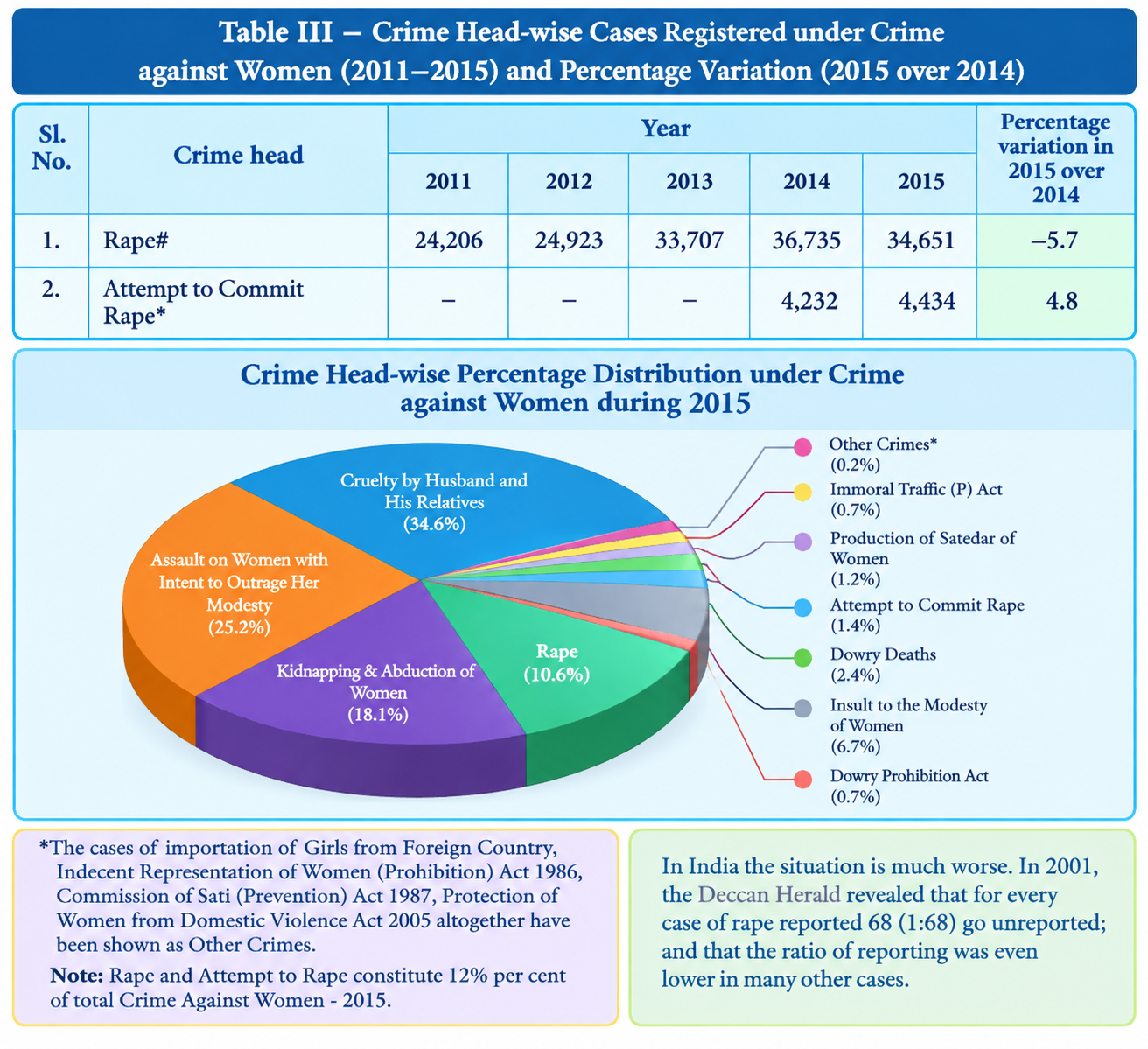
Longitudinal tracking from 2011 to 2015 demonstrates fluctuating totals for completed rape cases—peaking at 36,735 in 2014 before dipping by 5.7% to 34,651 cases in 2015—while attempts to commit rape saw a 4.8% increase to 4,434 cases.
Within the broader matrix of crimes against women, rape and attempt to rape combined constitute 12% of total reported offenses, sitting alongside high-volume crimes like domestic cruelty and assault on modesty, while Section 375 of the Indian Penal Code provides a comprehensive statutory definition of rape based on non-consent under seven specific descriptions.
Independent Thought v. Union of India
Landmark judicial insights regarding Independent Thought v. Union of India underscore that sexual intercourse with a minor girl under 18 years of age constitutes rape regardless of marital status, with Justices Madan B. Lokur and Deepak Gupta concurring that Exception 2 of Section 375 IPC is arbitrary, discriminatory, and unconstitutional because it violates Articles 14, 15, and 21 while conflicting with the overriding protections of the POCSO Act.
Complementing these vital legal reforms, official court disposal statistics for 2016 expose deep-seated systemic delays and low accountability within the justice system, noting that standard rape cases registered a conviction rate of just 25.5% alongside an 87.7% pendency rate (1,33,373 pending cases).
Further illustrating this backlog, gang rapes showed a 25.1% conviction rate with an 87.7% pendency rate, custodial rapes recorded a 35.5% conviction rate with an 84.8% pendency rate, and attempts to commit rape faced an overwhelming 95.0% pendency percentage.
Roop Singh v. State of HP
In the landmark case of Roop Singh v. State of HP, the Supreme Court reinforced that establishing consent under Section 375 of the IPC requires voluntary participation and the exercise of free choice, emphasizing that courts cannot infer consent without clear assent.
Backed by ocular testimony, medical evidence, and forensic reports, the trial court convicted the perpetrator under sections 376 and 450 IPC for rape and criminal trespass, awarding rigorous imprisonment terms that were upheld by both the High Court and the Apex Court.
Citing established principles from Mango Ram, the judiciary reiterated that true consent involves moral quality, intelligence, and the deliberate exercise of choice between resistance and assent, evaluated strictly through all surrounding circumstances.
8.17.2 Absence of injury on the male organ of the acused
Judicial evaluations affirm that when a minor victim presents clear physical trauma such as a ruptured hymen and vaginal bleeding, minor verbal contradictions carry minimal weight, and the absence of physical injury on the accused’s body does not establish innocence under Section 375 of the IPC.
Building upon these violations, Section 376 establishes rigorous punishment structures, mandating a minimum of 10 years up to natural life imprisonment for general offenses, while sub-sections outline strict aggravated penalties for abuses committed by police officers, public servants, armed forces, hospital and custody staff, or individuals in positions of trust, as well as crimes against pregnant women, disabled individuals, or minors under 16 years.
Finally, Section 376AB mandates extreme penalties—ranging from 20 years to life imprisonment or death—for offenses against girls under 12 years of age, ensuring that all imposed fines are directly utilized for the medical expenses and rehabilitation of the victim.
8.17.3 Death for rape of a girl below 12 years
Prompted by widespread public outcry over horrific incidents in Kathna and Unnao, the Criminal Law (Amendment) Act of 2018 was enacted by Parliament to establish rigorous deterrents, including capital punishment and life imprisonment for raping girls under 12 years of age.
Under these legislative changes, the minimum punishment for raping a girl below 12 stands at 20 years up to natural life or death, while gang rape under the same age threshold carries life imprisonment or the death sentence.
Furthermore, the minimum penalty for raping a girl between 12 and 16 years was increased from 10 to 20 years extendable to life, and penalties for the rape of adult women were raised from a minimum of 7 to 10 years.
8.17.4 Death for Rape in United States Unconstitutional
In the United States, landmark judicial rulings have established that capital punishment for sexual assault violates constitutional protections, specifically in the cases of Erlich Anthony Coker (1977) and Patrick Kennedy (2008), where the US Supreme Court struck down state statutes that authorized the death penalty for adult rape and the rape of a child under 12 years of age, respectively.
The Court ruled that executing offenders for non-homicidal crimes constitutes cruel and unusual punishment, thereby violating the Eighth and Fourteenth Amendments to the US Constitution.
Suggestions to Streamline the Law of Rape
To address systemic shortcomings and low conviction rates reflected in Crime Record Bureau data, legal experts strongly suggest a comprehensive review and amendment of both substantive and procedural rape laws, encompassing severe penalties for aggravated violations—such as assaults committed by police officers, public servants, armed forces personnel, custodians, hospital staff, or near relatives—carrying rigorous imprisonment of at least 10 years up to natural life.
Furthermore, Section 376A mandates rigorous imprisonment of no less than 20 years, extendable to life or death, for offenders whose actions cause the death of the victim or leave her in a persistent vegetative state.
Additionally, Section 376B penalizes non-consensual sexual intercourse by a husband upon his wife while living separately—whether under a decree or otherwise—with a term ranging from 2 to 7 years of imprisonment.
Classification of offence
Section 376C of the IPC penalizes anyone in a position of authority, a fiduciary relationship, or serving as a public servant, jail superintendent, or hospital staff member who abuses that dominance to induce or seduce a woman under their custody or charge into non-rape sexual intercourse.
Such offenses carry rigorous imprisonment ranging from a minimum of five years up to ten years, alongside a fine, ensuring robust legal safeguards against the exploitation of vulnerable individuals by figures of power.
Classification of offence
Section 376D of the legal code establishes strict collective liability for gang rape, dictating that when one or more persons act in furtherance of a common intention, every member of the group is deemed to have committed rape and faces rigorous imprisonment of at least 20 years, extendable to natural life, along with a fine.
Building upon this, Section 376DA imposes even harsher penalties for the gang rape of a minor under 16 years of age, mandating imprisonment for the remainder of the offender’s natural life.
Furthermore, both statutory sections incorporate essential victim-centric provisions requiring that any fine imposed must be fair, reasonable, and paid directly to the victim to cover her medical expenses and rehabilitation.
Classification of Offense
Section 376E of the penal framework establishes maximum deterrence for repeat offenders by mandating that anyone previously convicted under specific sexual assault provisions and subsequently convicted again under those same sections faces imprisonment for the remainder of their natural life or the death penalty.
These provisions form part of a broader series of critical legislative reforms introduced by the Criminal Law (Amendment) Act of 2013, which fundamentally revamped the legal architecture surrounding sexual offenses to ensure uncompromising accountability for habitual predators.
8.17.6 Rape: Meaning and Extent
The term “rape,” originating from the Latin rapio meaning “to seize,” legally denotes unlawful sexual intercourse with a woman against her will and without her consent through force, fear, or fraud, with Section 375 of the IPC, 1860 requiring both mens rea and actus reus.
An act constitutes rape if it occurs under any of seven conditions, including against the victim’s will, without consent, under fear of death, misconception of identity, unsoundness of mind or intoxication, when the victim is under 18 years of age regardless of consent, or when she is unable to communicate consent.
Furthermore, statutory explanations clarify that the vagina includes the labia majora, define valid consent as explicit and voluntary communication rather than the mere absence of physical resistance, and establish exceptions for medical procedures and marital relations where the wife is not below 15 years of age.
8.17.7 Punishment
Following significant legal updates introduced by the Criminal Law (Amendment) Act, 2013, Section 376(1) sets a standard minimum sentencing framework of seven years of imprisonment, which can extend up to life imprisonment.
However, under Section 376(2), the law identifies 14 specific aggravated circumstances where the offence carries a much stricter punishment—a mandatory minimum sentence of not less than ten years, extending to imprisonment for the remainder of that person’s natural life, death, or fine.
These aggravated scenarios apply when the perpetrator holds a position of authority, trust, or custody, or when the victim is particularly vulnerable, while stricter penalties also apply when the crime occurs during communal or sectarian violence, involves repeated rape on the same woman, or causes severe physical harm by causing grievous bodily harm, maiming, disfiguring, or endangering life.
8.17.8 Ingredients of the offence of rape
To establish the offence of rape, the law requires clear proof that the act was committed either against the will or without the consent of the victim, where Section 90 of the IPC dictates that any consent obtained through fear of injury, misconception of fact, unsoundness of mind, intoxication, or where the victim is under twelve years of age is legally invalid.
Comparative legal standards in Canadian and English law further reinforce that valid consent requires a conscious, operating mind with the continuous capacity and freedom to grant, withhold, or revoke agreement for every specific act.
Consequently, passive submission under fear or deception does not constitute lawful consent, placing the obligation on the accused to demonstrate that reasonable steps were taken to ensure genuine agreement.
Burden of proof of innocence on the accused
In criminal cases, the standard rule is that the prosecution must prove every element beyond reasonable doubt, and the burden of proof rests on them to show guilt, while historically proving a lack of consent under Section 375 of the IPC led to many acquittals due to evidentiary challenges.
To address this, Section 114A was added to the Evidence Act 1872 (effective 3 February 2013) to create a statutory presumption as to absence of consent in specific rape cases, stating that if sexual intercourse is proved and the victim testifies that she did not consent, the court shall presume absence of consent.
This creates two distinct rules: for general rape under Section 376(1) the prosecution keeps the onus to prove non-consent, whereas for the fourteen aggravated rape categories under Section 376(2) the law shifts the burden of proof to the accused to show that consent was actually given.
Presumption of absence of consent
Under Indian legal framework, specifically Section 114A of the Evidence Act 1872, when sexual intercourse by the accused is established and the woman states before the court that it occurred without her consent, the law presumes a presumption of absence of consent.
Legal precedent further clarifies that an unreasonable belief in consent cannot serve as a valid defense against charges of sexual assault or rape, as illustrated in case law such as R v Whitta, where an offender who fails to exercise reasonable care to ascertain consent or identity cannot claim mistake of fact.
Conversely, judicial rulings indicate that factors such as an individual staying voluntarily overnight without protest or immediate disclosure may be evaluated by the court when determining whether consent of the prosecutrix was factually present during the alleged incident.
Musauddin Ahmed v State of Assam
In the landmark case of Musauddin Ahmed v State of Assam, the Supreme Court acquitted the appellant of rape charges under Section 376 IPC because the prosecution failed to prove lack of consent beyond reasonable doubt, noting that the prosecutrix stayed overnight in a hotel room without offering any resistance or informing hotel staff despite ample opportunity.
Regarding witness testimony, Section 119 of the Indian Evidence Act 1872 provides that a witness unable to speak may give testimony via writing, signs, or with an interpreter, which is recorded on video and recognized as valid oral evidence.
Finally, under the Criminal Law Amendment Act 2013 (Section 53A and Section 146 proviso), the law strictly prohibits using a victim’s previous sexual experience or immoral character as evidence to question or disprove the element of consent during trial.
8.18 Special Category of Cases of Rape That Attract Severe Punishment
Through the Criminal Law (Amendment) Act 13 of 2013, the Indian Penal Code of 1860 added five key provisions—Sections 376A, 376B, 376C, 376D, and 376E—to enforce harsher penalties and discourage severe crimes against women.
In simple terms, these amendments target particularly severe situations: Section 376A penalizes assaults that result in death or permanent brain damage; Section 376B covers non-consensual sexual acts by a husband while separated; Section 376C addresses cases where a person in authority abuses their position for sexual exploitation; Section 376D severely punishes group assault or gang rape; and Section 376E ensures repeat offenders face significantly heavier consequences.
1. Death or Resulting in Vegetative State
Under legal provisions governing extreme sexual violence, if an offender inflicts injuries during an assault that cause the victim’s death or leave her in a persistent vegetative state, strict statutory penalties apply, specifically mandating a mandatory minimum sentence of 20 years of rigorous imprisonment, which can extend to life imprisonment for the offender’s remaining natural life or even capital punishment.
Put simply, when an assault results in fatal injuries or permanent, irreversible loss of consciousness, the perpetrator is held strictly accountable under the law and faces severe sentences ranging from two decades of hard labor up to imprisonment for life or the death penalty.
2. Marital Rape
The historic legal immunity exempting husbands from marital rape charges originated from old common law principles that assumed marriage implied irrevocable consent, whereas over recent decades, international legal frameworks evolved significantly to reject this concept, recognizing marriage as an equal partnership grounded in fundamental human dignity and personal freedom.
Major common law jurisdictions—including England and Wales, Australia, Canada, and South Africa—formally abolished marital rape immunity through court decisions and statutory reforms, affirming that a spousal or romantic relationship can never serve as a legal defense or implied consent for sexual violence.
Martial Rape in India
Indian law on marital sexual assault was significantly updated through the Criminal Law (Amendment) Act of 2013 to reflect the principle that marriage is an equal partnership rather than a relationship of submission, with Section 376B of the Indian Penal Code mandating a sentence of 2 to 7 years in prison and a fine for a husband who forces non-consensual sexual intercourse on his wife while separated.
Although standard legal doctrine historically regarded consent as continuous during an active marriage, separation legally withdraws that implied consent, establishing that a spousal or romantic relationship cannot serve as a defense.
However, effectively protecting women requires overcoming social stigmas, low reporting rates, and the risk of lenient judicial sentencing, as legal reform must be paired with broader shifts in how law enforcement and courts handle issues of spousal consent.
3. Custodial Rape: Sexual intercourse by a person in Authority
Under Section 376C of the Indian Penal Code, the law establishes strict penalties for individuals in supervisory or fiduciary roles—such as public servants, jail managers, shelter administrators, or hospital staff—who misuse their power to pressure or entice women under their care into sexual acts.
Although these cases involve compliance obtained through compelling circumstances or coercion rather than physical force, the legal framework recognizes that free and voluntary consent is impossible under such severe power imbalances.
Consequently, when authority figures exploit women who are in their custody or under their official supervision, they face mandatory rigorous imprisonment ranging from 5 to 10 years, in addition to fines, ensuring that abuse of public trust is penalized under criminal law.
4. Gang Rape
Under Section 376D of the Indian Penal Code, gang rape is treated with extreme severity by holding every participant in a group collective criminal liability whenever individuals act together with a shared intention.
Statutory sentencing mandates a minimum of 20 years of rigorous imprisonment for each individual involved, with maximum penalties extending to life imprisonment for the perpetrator’s natural life depending on the gravity of the crime.
Furthermore, to support the victim’s recovery, the law requires a monetary fine calculated specifically to cover necessary medical treatment and rehabilitation, explicitly ordering that all fine payments be delivered directly to the victim.